
Key Takeaways
- Most vehicles need a tire rotation every 5,000 to 7,500 miles, but your owner’s manual sets the real schedule.
- Front-wheel-drive cars like the Nissan Sentra and Hyundai Elantra wear their front tires faster, so they need rotations to keep the set even.
- AWD SUVs like the Kia Sportage and Jeep Grand Cherokee rely on evenly matched tread to keep their grip consistent.
- Trucks and off-roaders like the Ford F-150, Ram 1500, and Jeep Wrangler work their tires harder, and a full-size spare can join the rotation.
- NJ potholes, winter salt, and long Parkway and Turnpike runs can make uneven wear show up sooner.
- The easiest way to stay on schedule is to rotate with your oil change or at the fall and spring snow-tire swap.
It is the first real November cold snap in North Jersey. You turn on your car, and the low tire pressure light pops on before you even reach the end of the driveway. Ten minutes later you are sitting in traffic for no apparent reason on Route 80 staring at the bumper ahead of you, wondering when you last gave your tires a second thought.
Most vehicles need a tire rotation about every 5,000 to 7,500 miles or around every six months, though your owner’s manual always has the exact number. Whether you’re racking up Parkway and Turnpike miles or driving down rough Morris and Sussex County back roads, rotating your tires regularly is the easiest way to get every mile you paid for. Since the right routine depends on what you drive and how Jersey roads treat it, we’re breaking down the schedules, patterns, and examples by vehicle type.
How Often Should You Rotate Your Tires? The Short Answer
Most drivers should rotate their tires every 5,000 to 7,500 miles or about every six months, unless your owner’s manual or tire warranty says otherwise. Following that schedule keeps tread wear balanced across all four tires and prevents premature replacement. Some manufacturers allow longer intervals, so check your model’s schedule before you book.
A tire rotation means moving each tire to a different wheel position on your vehicle so the entire set wears down at an even pace. The benefits include longer tire life, steadier handling in rain and snow, and protecting your tire warranty.
What Decides How Often Your Tires Need Rotating
While 5,000 to 7,500 miles is the sweet spot for most vehicles, three main factors change how your tires wear: which wheels do the heavy lifting, how and where you drive, and what kind of tires you run.
Your Drivetrain: FWD, RWD, AWD, or 4x4
Not every tire on your car has the same job. The wheels doing the steering, pulling, or pushing naturally scrub off rubber faster than the ones just along for the ride, which is why each drivetrain has a common tire rotation pattern (your owner’s manual may call for a different one):
| Drivetrain | Tires That Wear Faster | Common Rotation Pattern |
|---|---|---|
| Front-Wheel Drive | Front tires (handle steering, most braking, and engine power) | Forward Cross: Front tires move straight back; rear tires cross to the opposite front corners. |
| Rear-Wheel Drive | Rear tires (push the vehicle); front tires wear on shoulders from steering | Rearward Cross: Rear tires move straight forward; front tires cross to the opposite rear corners. |
| All-Wheel Drive | Front tires typically wear slightly faster from steering and braking loads | X-Pattern (Double X): All four tires swap diagonally to the opposite axle and side. |
| 4x4 With Full-Size Spare | Rear tires when hauling/towing, or front tires during daily 2WD commuting | 5-Tire Rotation: Works the matching full-size spare into the loop so all five tires wear evenly. |
Jersey Roads and Jersey Driving
Driving in New Jersey is in its own league. Between surviving spring pothole season after the freeze-thaw cycle, plowing through winter salt and brine, and looping around endless right-to-go-left jughandles, your tires take a beating. Rough roads and long Turnpike stretches make uneven wear show up much sooner if you skip a rotation. Every Garden State Parkway pothole takes a little bite out of your tread and can nudge your alignment out of line, turning minor wear into loud, unevenly worn tires in no time.
Your Tire Setup
Before assuming a standard crisscross pattern applies to your vehicle, check your sidewalls and owner’s manual. Certain setups limit how tires can travel:
- Directional tires: Built with a V-shaped tread and a sidewall arrow showing which way they must roll, these typically swap straight front-to-back on the same side so they keep spinning forward.
- Staggered setups: Common on performance models and sport trims, wider rear tires and narrower front tires can only swap side-to-side on the same axle.
- Full-size matching spares: If your truck or SUV carries a full-size spare rather than a temporary wheel, adding it into a five-tire rotation stretches the life of the whole set.
Seasonal Tire Swaps
If you run a winter set to prepare your car for NJ winters, your fall and spring changeover already gives you a built-in rotation reminder. When the seasonal tires come off, grab a piece of chalk or tape and label each tire’s position. That way, when the seasons change, your technician knows exactly which rotated corner each tire belongs to next.
Front-Wheel-Drive Cars and Minivans Wear Their Front Tires First
In a front-wheel-drive vehicle, the front tires steer, handle most of the braking force, and put the engine’s power down, so they wear faster and need regular rotation to keep the set even. These everyday vehicles are staples across North Jersey because they rack up commuting miles comfortably.
Find a Nielsen dealership in New Jersey
Nissan Sentra

If you spend your mornings creeping through traffic toward the city or merging onto the Parkway, a compact sedan like the Nissan Sentra puts its front tires through constant stop-and-go work. Nissan’s maintenance schedule calls for rotating the tires around every 5,000 miles or six months under severe conditions, making a 5,000- to 7,500-mile habit the best way to protect the value of this daily driver.
Schedule a tire rotation at a Nissan dealership in New Jersey.
Hyundai Elantra

Available with a hybrid option, the Hyundai Elantra is built for drivers watching their total cost of ownership, and keeping your tires rotated is one of the simplest ways to protect that. Hyundai recommends rotating tires around every 6,000 to 8,000 miles, and eligible new Elantra buyers also benefit from Hyundai Complimentary Maintenance, which covers scheduled oil changes and tire rotations for the first 3 years or 36,000 miles.
Our Hyundai dealership in New Jersey encourages you to schedule a tire rotation service.
Chrysler Pacifica

Between morning school drop-offs, travel soccer weekends, and a minivan packed full for a trip down the shore, a Pacifica asks a lot of its front tires. Chrysler recommends rotating the tires at every scheduled oil change, typically around 6,000 to 8,000 miles. Keep in mind that while the gas Pacifica comes standard with front-wheel drive, available all-wheel drive changes your rotation pattern to keep all four corners matched.
If you need to schedule a tire rotation for your Chrysler, visit our Chrysler dealership in New Jersey.
All-Wheel-Drive SUVs Need Evenly Matched Tires
All-wheel-drive systems power all four wheels, and most work best when every tire has similar tread depth, so regular rotation protects both your rubber and your drivetrain. That even grip is the reason New Jersey families buy AWD in the first place: snowy mornings, slushy jughandles, and steep driveways.
Find a Nielsen dealership in New Jersey
Kia Sportage

Offered with available AWD and hybrid options, the Kia Sportage is right at home taking on Sussex County winters. Kia recommends rotating the tires every 8,000 miles, and sticking to that schedule helps ensure that all four tires keep predictable traction when the first real snow hits.
Our Kia dealership in New Jersey is happy to handle a scheduled tire rotation for your Kia.
Chevrolet Equinox
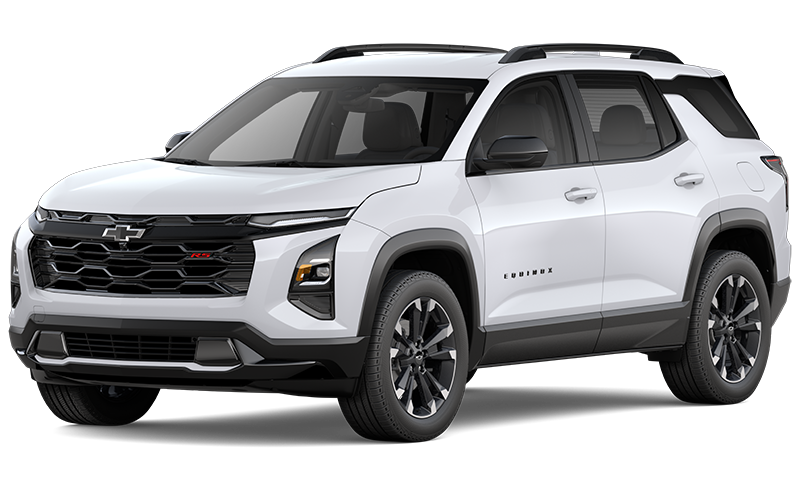
For families running a gas-powered Chevy Equinox with available AWD, tire rotation is easiest when you pair it right with your oil change. Chevrolet’s scheduled maintenance calls for rotating the tires around every 7,500 miles alongside the Engine Oil Life System alert, giving you a simple habit that keeps winter traction steady.
When your Equinox needs a tire rotation, schedule an appointment at our Chevrolet dealership in New Jersey.
Jeep Grand Cherokee

With available 4x4 systems like Quadra-Trac II and Quadra-Drive II, the gas-powered Grand Cherokee is built for hilly Morris County roads and weekend ski trips up north. Keeping all four tires rotated on schedule, generally around every 5,000 to 7,500 miles, helps keep the 4x4 system working smoothly.
Schedule your tire rotation service at our Jeep dealership in New Jersey.
Ford Explorer

The Ford Explorer is a reminder of why knowing your drivetrain matters. Most trims come standard with rear-wheel drive, while Intelligent 4WD is available across the board and standard on the off-road-ready Tremor. Whether you are cruising down the Turnpike in a RWD or 4WD model, your rotation pattern follows the wheels doing the most work.
Our Ford dealership in New Jersey will be happy to assist you after you schedule an appointment for a tire rotation.
Trucks and Off-Roaders Work Their Tires Harder
Pickups and off-roaders often carry heavier loads, tow, and often run bigger, pricier tires, so staying on top of rotations protects a much bigger investment. Many of these vehicles include a matching full-size spare that can join a five-tire rotation so every tire wears evenly.
Find a Nielsen dealership in New Jersey
Ford F-150

Full-size truck tires are not cheap to replace, which makes routine rotation extremely valuable for Ford F-150 owners. Whether you are hauling spring mulch or making firewood runs on rural Sussex County roads, rotating your tires around every 7,500 to 10,000 miles stretches the life of the entire set.
Schedule a tire rotation at a Ford dealership in New Jersey.
Ram 1500

Loading up the bed or hooking up a trailer to your Ram 1500 shifts extra weight and traction demands straight onto the rear, wearing the back tires down faster. Rotating your 1500’s tires about every 6,000 to 7,500 miles evens out that workload and preserves the famously smooth, composed ride Ram owners love when hitting pothole-scarred pavement.
Our Ram dealership in New Jersey welcomes our drivers to schedule a tire rotation service appointment.
Jeep Wrangler
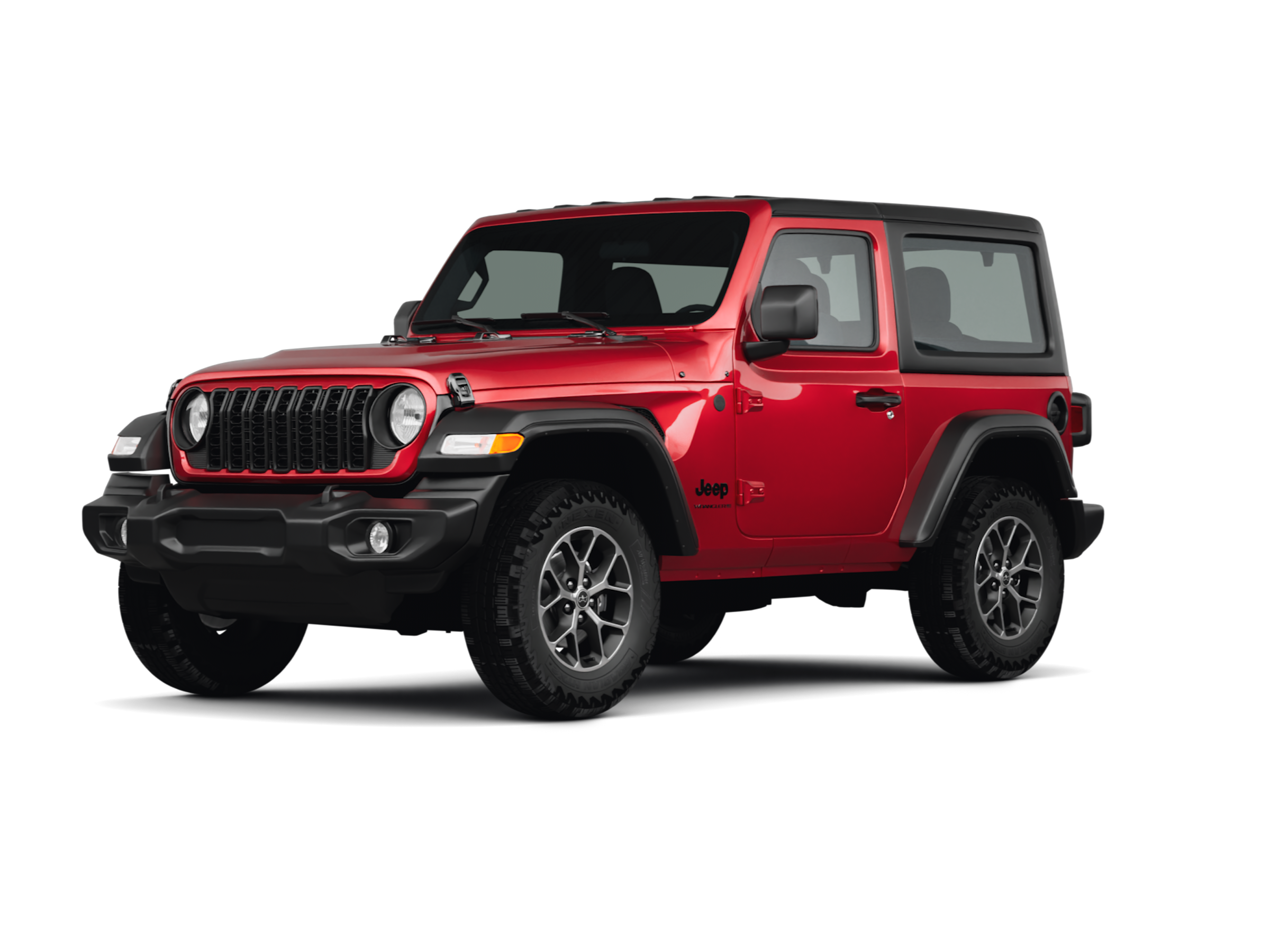
Since the Jeep Wrangler carries a full-size spare right on the tailgate, it is perfectly suited for a five-tire rotation. Working that fifth tire into the rotation helps ensure your spare has the exact same tread depth and rubber age as the other four, so if a Parkway pothole or rocky trail takes out a tire, your replacement matches perfectly.
Schedule an appointment to rotate your tires at our Jeep dealership in New Jersey.
Buying Used? The Tires Tell the Story
Uneven tire wear on a used vehicle is one of the clearest signs that it missed scheduled rotations or needs an alignment, making a quick walk-around a smart check on the lot.
Shop used vehicles at Nielsen Auto Group
Used AWD SUVs and Crossovers

Shopping for a pre-owned AWD crossover takes a little extra attention because mismatched or unevenly worn tires can mean budgeting for a full set of replacements right after purchase. Before you sign, run through this quick checklist:
- Compare tread depth across all four tires
- Look for wear on only the inside or outside edges
- Check that all four tires match in brand and size
- Request service records that show regular rotations
Find a used AWD SUV for sale at a used car dealership in New Jersey.
How to Stay on Top of Tire Rotations
The simplest system is to follow the mileage interval in your owner’s manual, tie the appointment to a service you are already getting, and keep a quick record of when it was done.
Start With Your Owner’s Manual
Your vehicle manufacturer’s maintenance schedule beats any general recommendation, and tire warranties often require documented rotations to remain valid. Check the maintenance section in your glovebox or pull up your brand’s owner app to confirm your exact number and approved pattern.
Pair It With Something You Already Do
Nobody wants another standalone errand on a Saturday morning. Pair your tire rotation with your routine oil change or snow-tire swap, schedule it when you change the clocks, or book it right when pothole season starts in March.
Know the Signs You’re Overdue
Your car will usually drop a few hints when the tires are overdue for a swap. Since some of these symptoms can also point to a wheel alignment or balancing issue, having a professional inspect them is always the safest call:
- Tread looks noticeably lower on the front or rear tires
- Vibration in the steering wheel at highway speeds
- The vehicle pulls to one side
- Road noise is louder than usual
- It’s been more than six months since the last rotation
Even Tires Make the Drive (Almost) Enjoyable
A tire rotation is quick, costs a fraction of a brand-new set of tires, and keeps your ride smooth, quiet, and steady through slushy New Jersey winters and pothole-filled springs. If you are due for a rotation, or just want a second set of eyes on your tread depth before the weather turns, the service teams across Nielsen Auto Group can get you in, rotated, and back on the road with confidence. Then, when the time comes for an upgrade, our New Jersey dealerships have the selection to make finding your next ride fun.
Frequently Asked Questions
How often should you rotate your tires?
Most vehicles need a tire rotation every 5,000 to 7,500 miles or about every six months, whichever comes first, though some manufacturers allow longer intervals. However, your owner’s manual states the exact schedule for your specific model, and following it protects both tread life and warranty coverage.
Do AWD vehicles need tire rotations more often?
All-wheel-drive vehicles generally follow the same 5,000- to 7,500-mile window, though skipping rotations hurts them faster. Since AWD relies on all four tires having nearly identical rolling circumferences, uneven tread depth forces the drivetrain to work harder and can cause premature wear.
What happens if you don’t rotate your tires?
Skipping tire rotations causes one axle, often the front, to wear out much faster than the other, forcing you to buy replacement tires early. It also leads to a noisy, uneven ride, reduced wet-weather traction, and can void your tire manufacturer’s treadwear warranty.
Should you rotate your tires when you switch to winter tires?
Yes, your seasonal changeover is the ideal time to rotate. Simply label each tire’s position when taking it off so your technician can install the set in rotated positions when that season rolls back around.
Do new tires need to be rotated?
Yes, new tires still need regular rotations starting around 5,000 to 7,500 miles. Even with fresh rubber, your front and rear axles carry different steering, braking, and weight loads, so rotating early establishes even wear from day one.
Is a tire rotation the same as a wheel alignment?
No, they are two separate services. A tire rotation moves your wheels and tires to different corners of the vehicle to even out wear, while a wheel alignment adjusts your suspension angles so the tires sit squarely on the road.
