
Key Takeaways
- New Jersey winters can be extremely tough on vehicles: Road salt, freeze thaw pothole’s, and 40 degree temperature drops in under 48 hours create distinct mechanical stress.
- Tires trump drivetrain: An all wheel drive vehicle on worn down all season tires offer significantly less traction in the ice and snow and longer stopping distances than a front wheel drive car on special dedicated winter tires.
- Car batteries lose substantial cranking power in the cold: Internal chemical output drops 30% to 60% below freezing, causing batteries to fail on the season's first cold and frosty morning.
- Road salt degrades critical undercarriage components: Salt brine eats away at brake lines, calipers, and suspension hardware where standard car washes can't reach.
- Single visit preparation saves money and stress: Completing a seasonal check before the first frost prevents costly roadside breakdowns on the Turnpike or Parkway.
- Nielsen Auto Group provides multi-brand winter care: Thorough winter inspections, spanning tires, batteries, brakes, fluids, and undercarriages, are available across North and Central NJ.
That first November morning always gives it away: you turn the key or push the start button, and the engine hesitates for a second longer than it normally does. On Route 23 or the Garden State Parkway after the season's first snow, you can easily spot who took time preparing their car for the winter driving and who gambled on their worn summer setups. Between corrosive salt brine, flash freezes creating black ice, and sudden temperature plunges, proactive preparation is much cheaper than an emergency tow.
Tires: The Most Important Winter Prep Decision Any NJ Driver Makes
Tires dictate how your vehicle steers and stops on freezing asphalt. All season tires begin hardening at 45°F, reducing their grip on dry, cold pavement long before snow falls. Dedicated winter tires utilize flexible silica compounds and deep sipes to bite through slush and pack snow.
A common Garden State misconception is relying solely on drivetrain capability. While four wheel drive helps you accelerate, it does not shorten braking distances on ice. An F-150 on worn rubber will slide much farther than a front wheel drive sedan equipped with the best winter tires
Tread Depth (The Penny Test): Place a penny upside down into several tread grooves. If Lincoln's head is partially covered, your tread exceeds 4/32" and is suitable for the winter roads. If the top of his head is visible, replace the tires immediately.
Cold Weather Tire Pressure: For every 10°F temperature drop, tire pressure decreases by about 1 PSI. The shift from a 70°F October afternoon to a 15°F January morning can drop pressure by 5 to 6 PSI, illuminating your TPMS dashboard warning.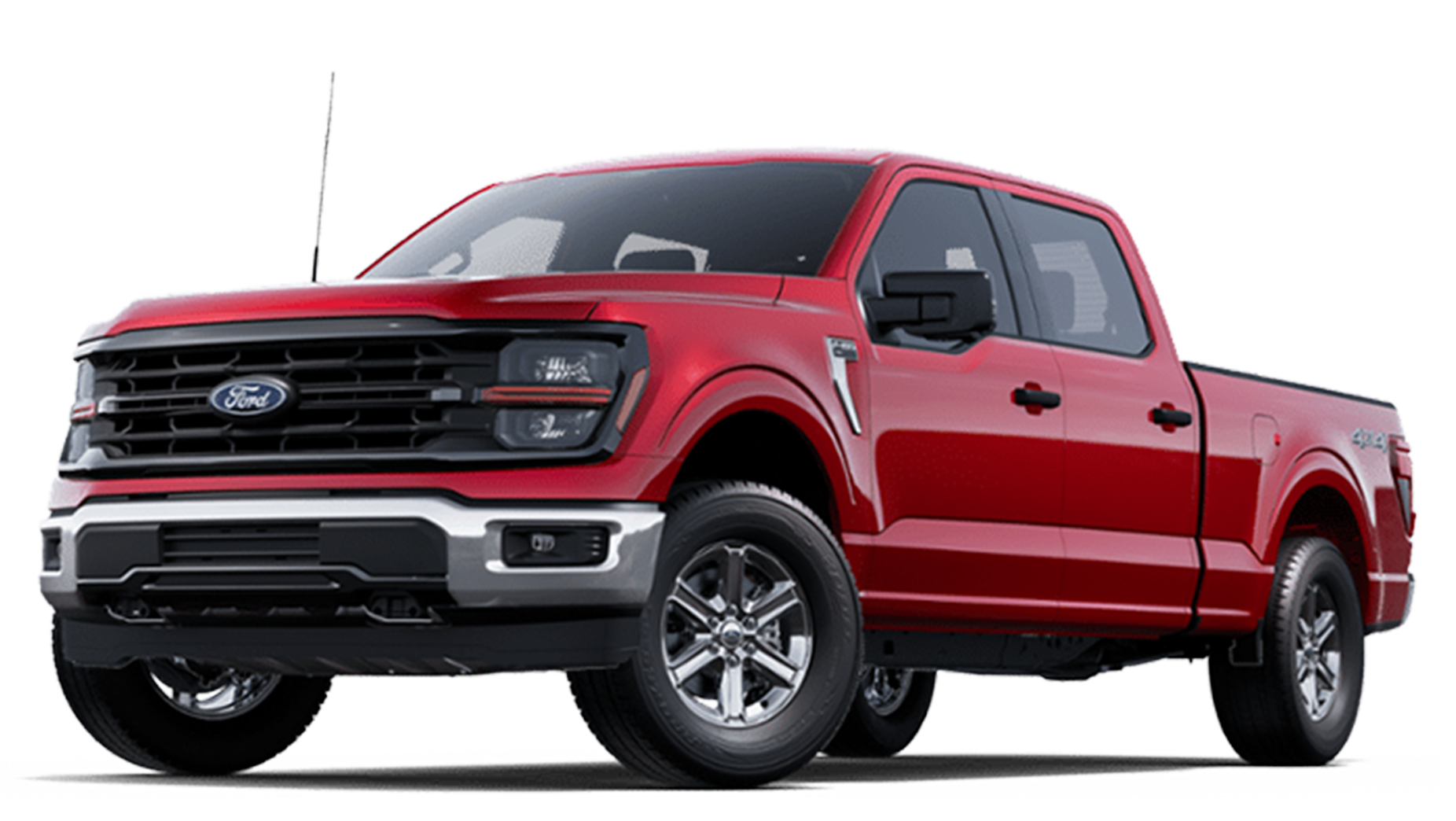
Trucks & Heavy SUVs (Ford F-150, Chevy Silverado): Many full size trucks come equipped with cosmetic P-metric passenger tires. Upgrading to LT-metric tires provides improved cold weather load stability.
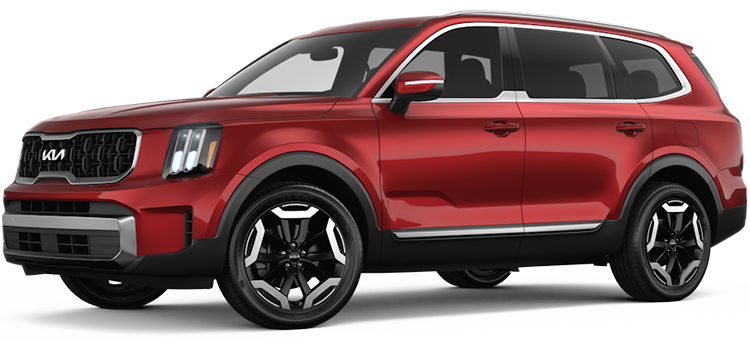
Midsize Crossovers (Kia Telluride, Hyundai Palisade): Upgrading from factory all seasons to winter specific tires significantly sharpens steering and braking during January sleet on the Parkway.
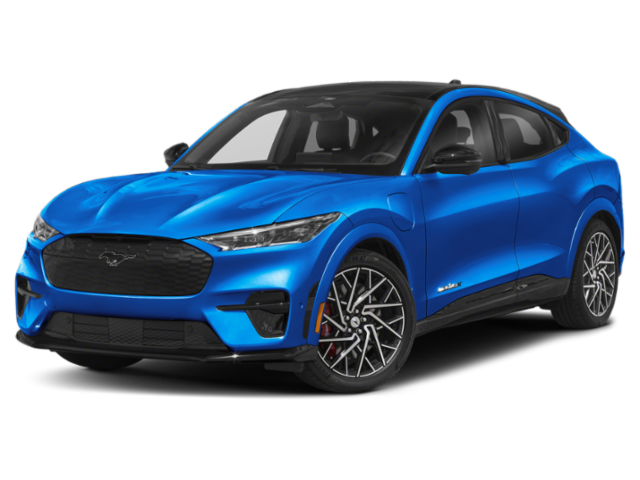
Rear-Wheel-Drive Vehicles (Ford Mustang): Winter tires are mandatory rather than optional to prevent the rear axle from stepping out on slick highway ramps.
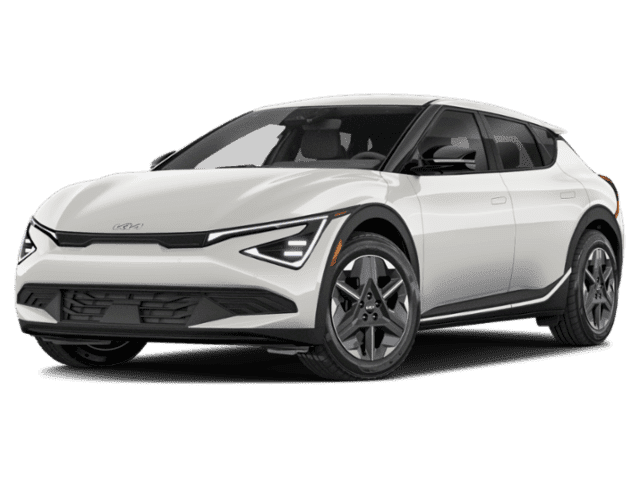
Electric Vehicles (Hyundai Ioniq 5, Kia EV6): Choose EV rated winter tires to maintain the low rolling resistance needed to preserve cold weather battery range.
Car Batteries: The Winter Failure Nobody Sees Coming Until It Happens
Sub freezing temperatures slow internal chemical reactions within standard lead acid batteries. At 32°F, a battery delivers roughly 60% of its rated cranking power; at 0°F, output drops to approximately 40%. Since freezing temperatures also thicken engine oil and increase mechanical resistance, the vehicle demands peak starting power when the battery is at its weakest.
Understanding how a car battery cold weather cycle operates prevents mid winter lockouts. In New Jersey, automotive batteries typically last 3 to 5 years because rapid freeze thaw cycles accelerate plate degradation. A simple 5 minute professional test measures actual capacity under simulated electrical load, delivering a clear pass/fail verdict for your car before winter hits.
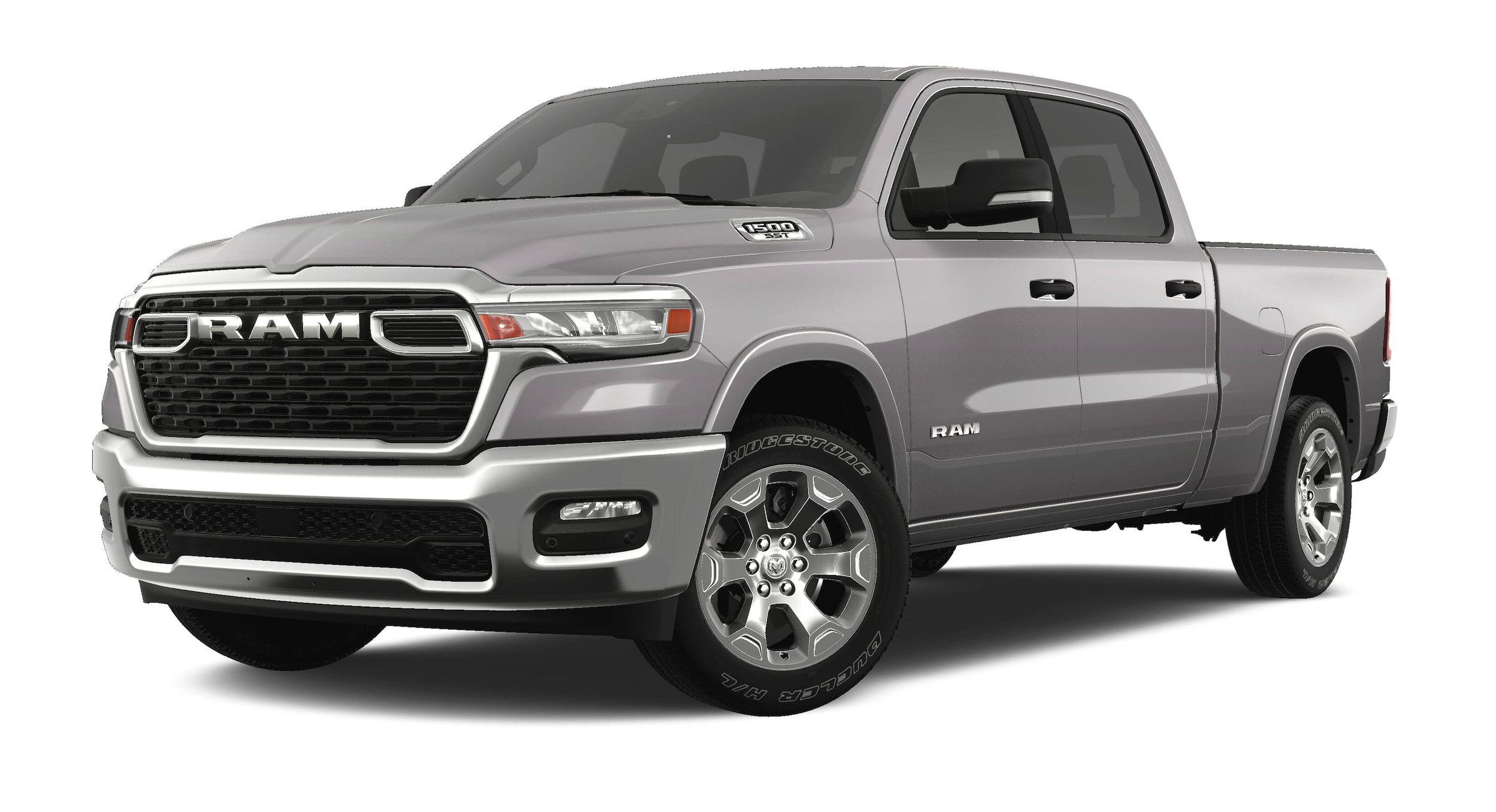
Diesel & Full-Size Pickups (Ram 1500, Ford F-150): Large displacement engines place severe cranking demands on the starting system, making pre-winter battery testing vital.
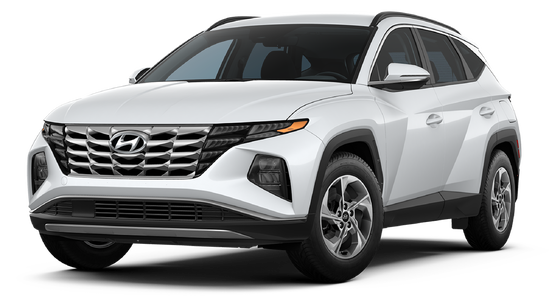
Compact Crossovers (Hyundai Tucson, Kia Sportage): Pay close attention to early battery management alerts on the instrument cluster before freezing weather arrives.
Hybrids & Electric Vehicles: While high voltage packs drive the wheels, a standard 12V battery powers the onboard computers and wakes the main system. An annual battery test prevents unexpected start failures in cold weather.
Fluids & What to Check Before the Temperature Drops
Fluids serve as your vehicle's first line of defense against severe freezing temperatures.
Antifreeze / Coolant
Engine coolant requires an exact 50/50 mix of antifreeze and distilled water to guard against freezing down to -34°F. Knowing how to check antifreeze level and condition via the translucent overflow tank prevents cracked engine blocks and heater core failures. Coolant oxidizes over 2 to 5 years, turning brown and acidic as it degrades.
Windshield Washer Fluid
Garden State highway driving coats glass in an opaque film of salt brine and dirt. Standard summer washer fluid will freeze in the reservoir, spray nozzles, and lines below 32°F. Always swap to a dedicated de-icer fluid rated to at least -20°F and keep an extra sealed jug in the trunk.
Oil Viscosity
Motor oil thickens as temperatures drop in the winter months. Using multi-grade oils ensures immediate valvetrain lubrication even at low temperatures. Completing an oil change prior to winter guarantees clean oil with optimal protective viscosity.
Brakes and Undercarriage: What NJ Road Salt Does That Most Drivers Don't See
New Jersey road crews rely heavily on rock salt and liquid magnesium chloride. This clings to bare undercarriage steel, triggering accelerated corrosion across brake lines, brake calipers, exhaust hangers, and suspension linkages. Rinsing your undercarriage within 48 hours of a major winter storm washes away trapped salt before it gets into the crevices of your vehicle.
Winter visibility also demands specialized hardware. Standard wiper blades have open steel frames that trap sleet and freeze solid, creating wide un-wiped streaks across your line of sight. Upgrading to the best wiper blades for winter, which feature sealed rubber boots over the tension springs, keeps ice from jamming the blade assembly during storms.
AWD vs. 4WD in NJ Snow: What Actually Helps and What Doesn't
Reviewing AWD vs 4WD in snow prevents overconfidence when driving in icy conditions.
All Wheel Drive (AWD) operates automatically without driver intervention, distributing engine power to the wheels with the most grip. It is standard on most crossovers, sedans, and family SUVs, making it ideal for variable Parkway and Turnpike commuting.
Four Wheel Drive (4WD) is typically driver engaged and found on traditional trucks and off road SUVs. It locks the front and rear driveshafts together for maximum traction in deep snow.
Neither system reduces braking distance or prevents sliding on sheer ice, directional control and stopping ability depend entirely on tire traction.
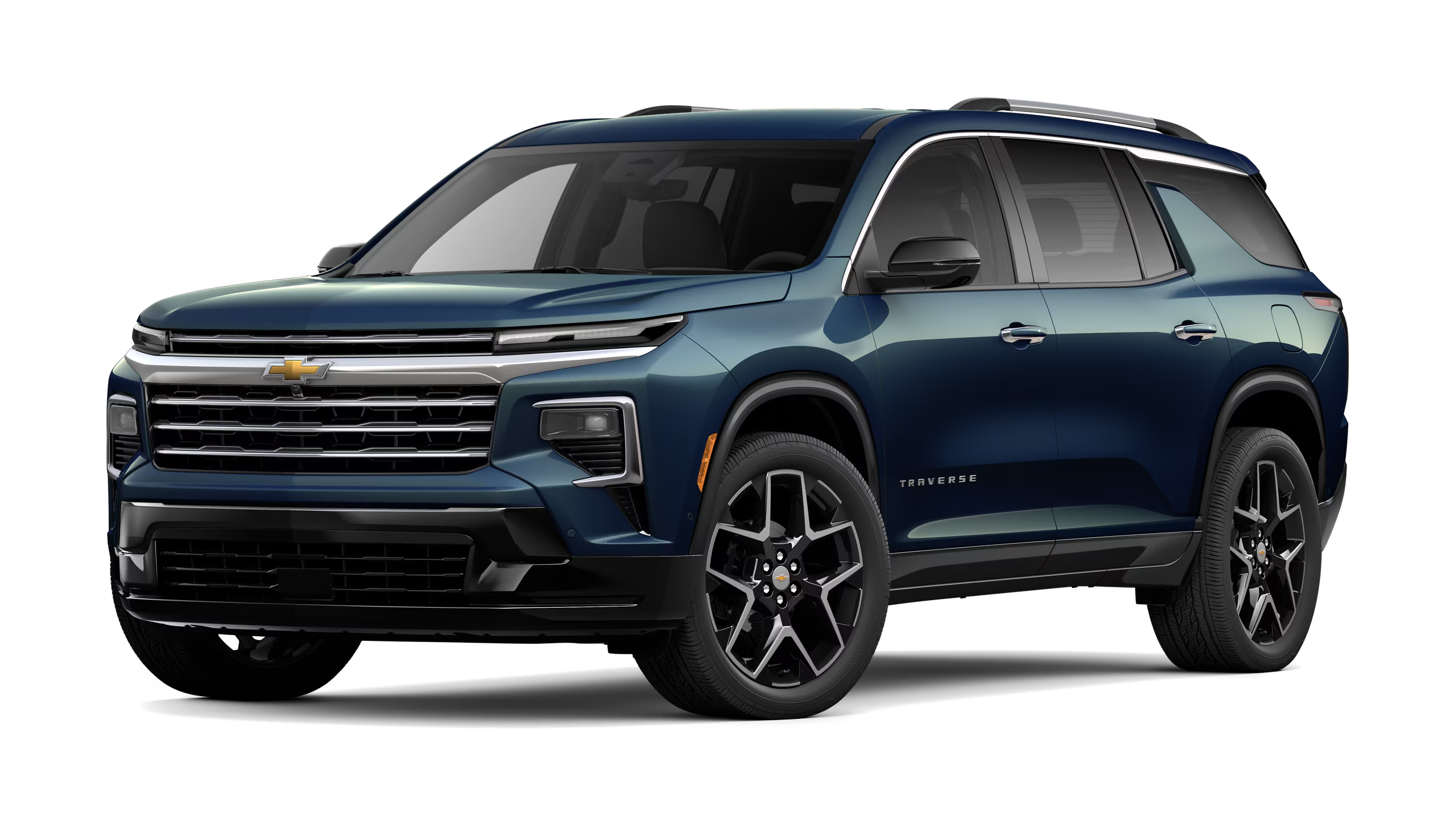
Suburban Commuters (Ford Explorer, Chevy Traverse): Intelligent AWD seamlessly regulates wheel slip across slushy highway lanes without manual mode selection.
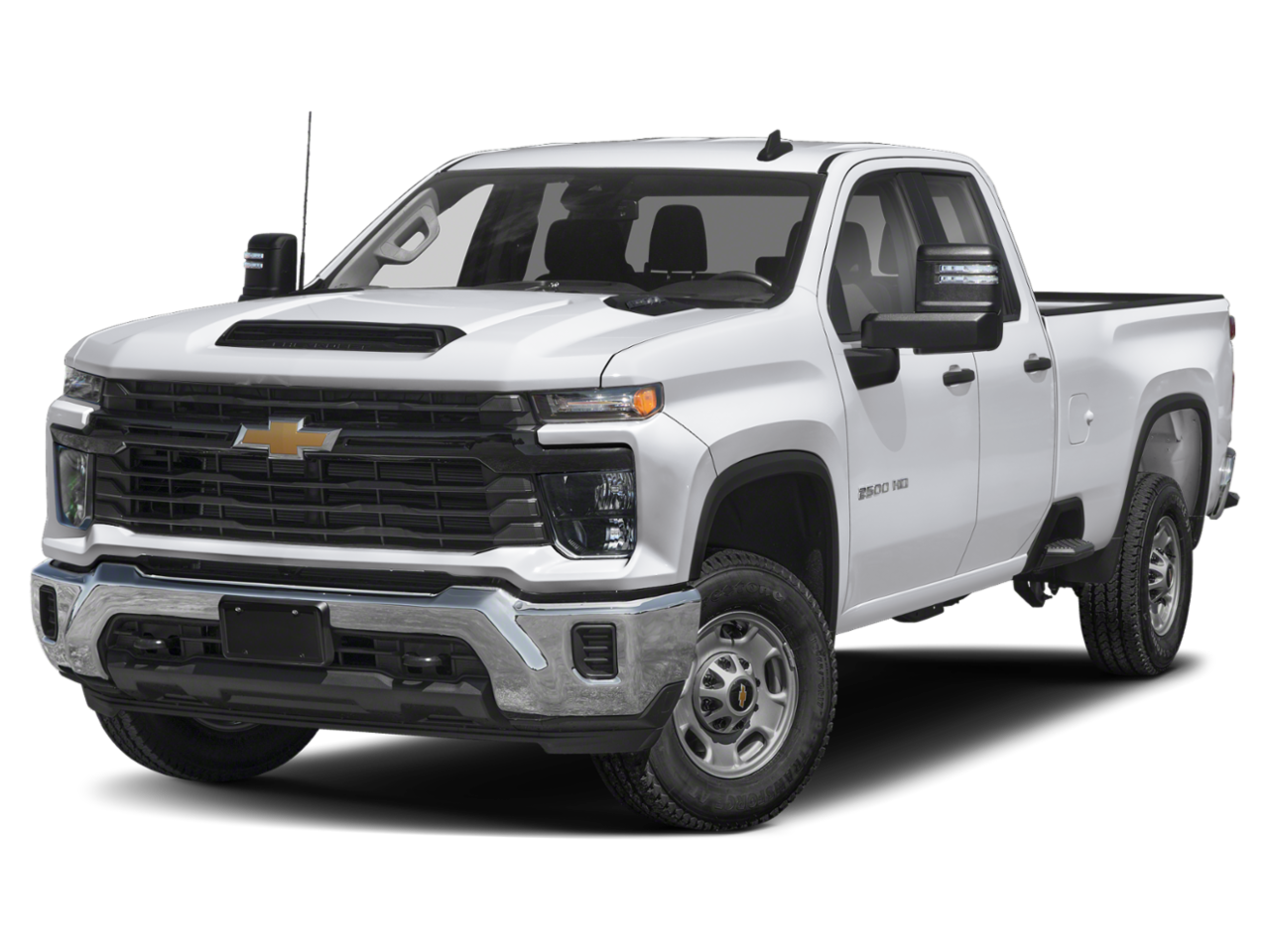
Rural Workhorses (Ford F-150, Chevy Silverado): Traditional part time 4WD gives Sussex and Warren County drivers the pulling power needed for deep snow conditions.
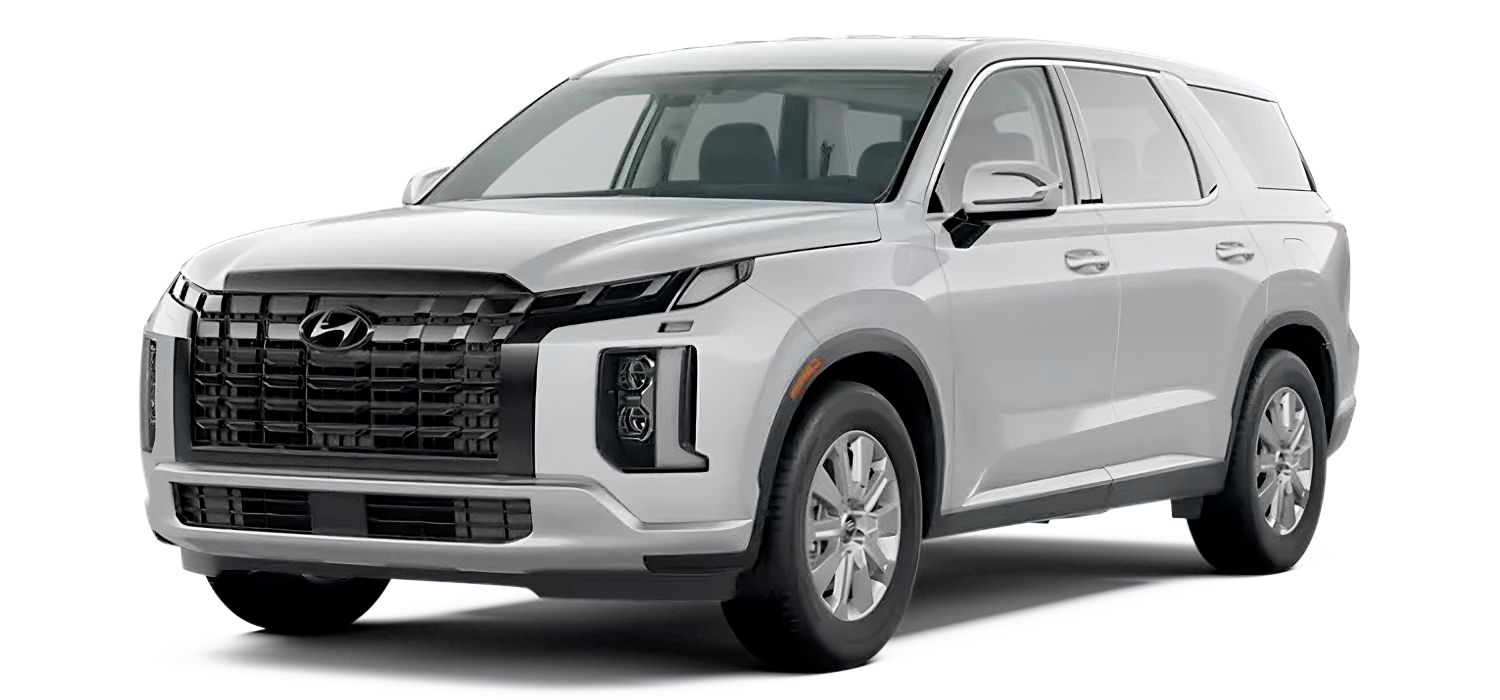
Midsize SUVs (Kia Telluride, Hyundai Palisade): Modern AWD systems manage typical suburban winter conditions with exceptional stability.

Rear-Wheel Drive (Ford Mustang): Drivetrain choice is secondary to installing high quality winter tires and practicing smooth, progressive throttle control.
The NJ Winter Prep Checklist: Everything in One Place
Review this complete winter car maintenance checklist to ensure your vehicle is completely ready for the cold months:
- Tires (October–November): Measure tread depth to ensure it exceeds 4/32", inspect for sidewall cracking, check cold inflation pressures, and install winter tires if driving in severe weather conditions. Professional mounting and balancing recommended.
- Battery (October–November): Inspect terminals for corrosion build up, verify clean connections, and perform a full electrical load test to measure cranking capacity. A Professional test is recommended.
- Antifreeze (October): Verify the expansion reservoir sits between MIN and MAX marks and use a refractometer or test strip to ensure freeze protection down to -34°F.
- Engine Oil (Before First Freeze): Verify proper multi-grade winter viscosity and change oil and filter if approaching service intervals. Can be DIY or a professional service.
- Washer Fluid (October): Drain or consume remaining summer fluid, fill the reservoir with winter de-icer fluid rated to -20°F, and check spray nozzle alignment. DIY task.
- Wiper Blades (October–November): Replace standard beam or bracket blades with rubber-booted winter blades to eliminate frame freeze up. DIY task.
- Brake System (October): Inspect brake pad thickness, check rotor surfaces for heavy rust grooving, and verify hydraulic lines are free of salt corrosion. Professional service for this is recommended.
- Undercarriage (October): Inspect frame rails, floor pans, and exhaust hangers for pre-existing rust, and consider applying a corrosion inhibitor before road salting begins. Professional inspection is recommended.
- Exterior Lighting (October): Test your high beams, low beams, brake lamps, turn signals, and hazard lights to make sure you have full visibility during short winter days.
- Emergency Kit (November): Pack a heavy duty ice scraper, snow brush, jumper cables or lithium jump pack, flashlight, thermal blanket, and traction aid (sand or cat litter) in the cargo area. DIY task.
Get Your Car Winter Ready at Nielsen Auto Group
Taking proactive steps for preparing cars for winter hazards keeps your morning commute on schedule and protects your investment against aggressive road salting chemicals.
Nielsen Auto Group provides complete multi-brand service support across North and Central New Jersey, maintaining Ford, Chevrolet, Hyundai, Kia, Nissan, Chrysler, Dodge, Jeep, and Ram vehicles. From seasonal tire mounting and comprehensive battery load testing to brake overhauls and complete undercarriage checks, our factory certified technicians ensure your vehicle is ready for whatever the harsh New Jersey winter brings.
Frequently Asked Questions & Preparing Your Car for NJ Winters
How do I prepare my car for winter in New Jersey?
Preparing your car for winter in New Jersey requires checking tire tread and pressure, performing a battery load test, inspecting coolant for a 50/50 mix, switching to -20°F windshield washer fluid, installing winter grade wiper blades, and checking brake pads before freezing weather arrives.
Are winter tires worth it in New Jersey?
The simple answer is yes. Dedicated winter tires use specialized silica rubber compounds that remain pliable below 45°F, providing significantly shorter stopping distances on cold pavement, slush, and packed snow than standard all season tires.
Does cold weather affect car batteries?
Yes it definitely does. Cold temperatures slow chemical reactions inside a lead acid battery, reducing its cranking power by roughly 40% at freezing and up to 60% at zero degrees, precisely when cold engine oil makes starting more difficult.
What is the difference between AWD and 4WD in snow?
AWD operates continuously and shifts power automatically to maintain traction on slippery paved roads. 4WD is typically driver selected and locks the front and rear axles together for deep unplowed snow. Neither system shortens braking distances on ice.
Where can I get my car ready for winter in NJ?
Nielsen Auto Group provides certified winter maintenance across North and Central New Jersey, offering battery testing, winter tire mounting, fluid flushes, and full undercarriage inspections.
