
Key Takeaways
- Winter in New Jersey puts real strain on vehicles, making spring maintenance one of the most important seasonal service appointments of the year.
- Cabin air filter replacement is one of the most overlooked post-winter services, especially after months of salt, moisture, and closed-window driving.
- Potholes, freeze-thaw cycles, and road salt often impact tires, alignment, suspension, and brakes.
- Air conditioning and cooling systems should be inspected before summer heat and Shore traffic arrive.
- A simple seasonal reset helps improve reliability, fuel efficiency, and long-term vehicle health.
There’s always a moment in New Jersey when everyone collectively realizes winter is finally over. The snow piles on the Parkway shoulders start shrinking into mysterious gray puddles, the muddy driveway finally dries out, and potholes suddenly “reappear” like they spent the last three months training for combat. Then comes that first warm Saturday where people crack the windows open, head toward the Shore, and remember their car has been through absolute chaos since December.
Because winter in New Jersey doesn’t quietly leave. It leaves evidence behind. Salt buildup, tire wear, alignment issues, tired batteries, clogged filters, stressed brakes, your vehicle absorbs all of it somewhere between Route 287 commutes, slushy school drop-offs, and navigating roads that looked like they survived a meteor strike.
That’s why spring is the reset season for your vehicle. It’s the perfect time to clean things up, inspect winter wear, and handle the kind of preventative maintenance that helps avoid bigger repair issues later. A little attention now goes a long way, especially when it comes to car maintenance for hot weather and preparing for another summer of traffic, heat, and long New Jersey road trips. That’s also why many drivers start thinking about car maintenance for hot weather before summer traffic and high temperatures arrive.
Why Spring Maintenance Matters After a New Jersey Winter
New Jersey winters are rough on vehicles in ways many drivers don’t fully notice until the weather warms up. Even relatively mild winters create wear from road salt, freezing temperatures, potholes, stop and go traffic, and constant moisture exposure.
Salt is one of the biggest culprits. It collects underneath the vehicle, around wheel wells, and along brake components throughout the season. If it sits too long, corrosion becomes a much bigger problem later.
Then there are the potholes. Every year, freeze thaw cycles seem to turn Route 23, local county roads, and random suburban intersections into obstacle courses. Even smaller impacts can throw off wheel alignment, damage suspension components, or accelerate uneven tire wear.
Temperature swings also affect tire pressure constantly during winter. One freezing morning can trigger the tire pressure light, only for it to disappear later in the afternoon when temperatures rise again. Over time, inconsistent tire pressure affects handling, fuel economy, and tire lifespan.
Winter driving also tends to increase brake wear. Between icy stop and go traffic, heavier braking during storms, and slick road conditions, brakes work harder for months straight.
And inside the cabin? Months of closed-window driving, blasting heat, wet boots, moisture, and trapped debris create stale air circulation that many drivers don’t fully notice until that first warm spring day when the AC finally gets switched on.
That’s why spring maintenance matters. Seasonal service helps catch winter-related wear before summer driving conditions add even more stress to the vehicle.
Cabin Air Filters, AC Systems & Why Your Car Smells Like Winter
There’s always that first warm day in New Jersey where someone turns on their AC and immediately regrets it. Suddenly the car smells vaguely like wet gloves, road salt, and the inside of a snow boot left too close to a radiator.
That’s usually your cabin air filter asking for help. Cabin air filters trap dust, pollen, moisture, road debris, and contaminants before they circulate through your vehicle’s ventilation system. During winter, they work overtime thanks to constant heater use, defrost cycles, moisture buildup, and dirty outside air conditions.
By spring, many filters are clogged with a combination of debris, salt residue, moisture particles, and everything else winter dragged into the ventilation system.
That buildup impacts:
- Air quality inside the cabin
- HVAC airflow performance
- Defrost efficiency
- AC system effectiveness
- Interior odors
This is why many drivers schedule a cabin air filter replacement NJ service appointment during spring maintenance visits.
Spring is also the perfect time for an AC system inspection. Nobody wants to discover weak airflow or warm air conditioning during the first 90-degree Parkway traffic jam heading toward the Shore.
A professional AC service for cars NJ drivers rely on can help identify:
- Weak refrigerant levels
- Poor airflow
- Failing compressors
- Ventilation blockages
- Mold or moisture buildup
- Cabin filter restrictions
If your car suddenly smells “off” when the air kicks on, winter probably left behind more than you realized. And, if you’re wondering how long do cabin air filters last, many drivers replace them about every 12,000 to 15,000 miles, though New Jersey winter driving can make spring replacement a smart move.
The Hidden Damage Winter Leaves Behind
Some winter damage is obvious. A cracked windshield from flying ice? Easy to spot. A tire that suddenly won’t hold air? Also obvious.
But a lot of seasonal wear builds slowly in ways drivers barely notice at first.
Potholes are one of the biggest examples. Even one hard hit can shift wheel alignment slightly. Over time, that leads to uneven tire wear, steering vibration, drifting while driving, or handling that suddenly feels “off.”
That’s why many drivers schedule an NJ pothole damage alignment check once winter ends.
Suspension systems also take a beating throughout the season. Constant impacts from rough roads, construction zones, and freeze-thaw pavement damage stress shocks, struts, and steering components.
And because New Jersey roads seem permanently under construction somewhere between the Turnpike, Route 80, and local suburban detours, tires rarely escape winter untouched either.
Common post-winter tire issues include:
- Uneven tread wear
- Sidewall damage
- Reduced traction
- Wheel balancing issues
- Low tire pressure
- Alignment-related wear patterns
Scheduling a tire rotation spring NJ service helps extend tire life while improving handling and fuel efficiency heading into summer driving season.
The important thing to remember is that this kind of wear is normal. Winter driving conditions in New Jersey naturally stress vehicles. Spring inspections simply help catch issues before they become more expensive later.
Preparing for Summer Driving in New Jersey
Once the weather warms up, New Jersey driving shifts into a completely different kind of stress test.
Now instead of freezing mornings and slush-covered roads, your vehicle deals with:
- Heavy Shore traffic
- Long Parkway drives
- Stop-and-go congestion
- High summer temperatures
- Weekend road trips
- AC system strain
- Increased engine heat
That’s why spring is the ideal time to handle a full summer car prep checklist NJ drivers can rely on before the heat arrives.
One of the biggest areas to check is your cooling system. Engines naturally run hotter during summer, especially in heavy traffic conditions where airflow decreases. Coolant levels, hoses, and radiator performance all matter much more once temperatures climb into the 90s.
Spring is also a smart time for car battery maintenance, especially if cold winter mornings already made your vehicle slow to start. Battery performance should also be inspected. Many people associate dead batteries with winter, but summer heat is actually extremely hard on battery systems too. If winter already weakened the battery, hot weather may finish the job.
Tire pressure also changes as temperatures rise. Underinflated or overinflated tires affect handling, fuel efficiency, and wear patterns during long summer drives.
And then there’s the air conditioning system, arguably the most important emotional support feature in New Jersey traffic between June and August.
Because nothing tests your patience quite like sitting motionless on the Parkway in 94-degree heat while your AC blows warm air directly into your soul.
Vehicles That Handle NJ Seasonal Transitions Well
Some vehicles simply adapt better to New Jersey’s nonstop seasonal mood swings.
Whether it’s surviving winter potholes, handling rainy spring commutes, or sitting in Shore traffic during July heat, certain SUVs and crossovers consistently make life easier for NJ drivers.
 Chevrolet Equinox: Best for Everyday NJ Commuters
The Chevrolet Equinox is one of those vehicles that just makes sense for Jersey life. It's practical, commuter-friendly, and holds up well after the kind of winters that leave roads looking like the surface of the moon. The ride is smooth enough for daily highway commuting, and the handling stays predictable whether you're navigating black ice in January or a downpour on the Garden State Parkway in April. It's not flashy, but it gets the job done reliably — and that's exactly what most NJ drivers are looking for. Cargo space is solid too, so whether you're hauling sports gear or grocery runs, it doesn't feel cramped.
That dependability is why Nielsen featured the Equinox in their guide to Preparing Your Car for Warmer Weather in NJ — it's the kind of vehicle that earns its reputation one season at a time.
Visit a Chevrolet dealership in NJ
 Ford Explorer: Best for NJ Families on The Go
The Ford Explorer has been a go-to for NJ families for a long time, and it's not hard to see why. There's room for the whole crew plus all their stuff, which comes in handy when you're doing school pickups, weekend trips to the Shore, or hauling equipment for youth sports. It handles the winter-to-summer swing comfortably, and the available all-wheel drive gives you extra confidence when the roads are wet or icy. The interior stays comfortable on longer drives too, which matters when you're stuck in summer shore traffic or making the haul up to North Jersey from the Turnpike.
That's why Nielsen points to the Explorer as a strong family option for drivers dealing with New Jersey's year-round weather challenges — it's built with real-life NJ schedules in mind.
Visit a Ford dealership in NJ
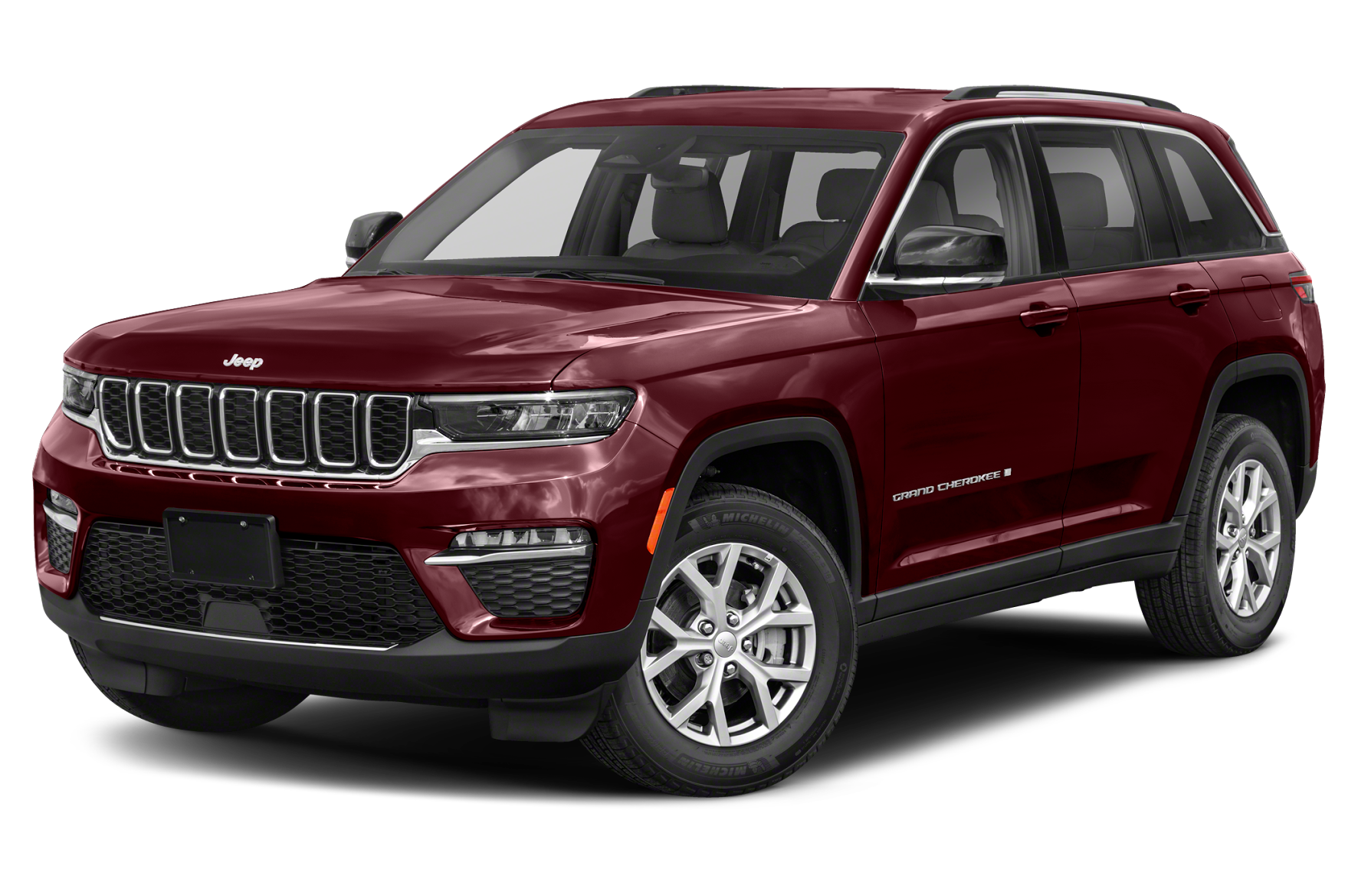 Jeep Grand Cherokee: Best for All-Weather Capability in NJ
If any vehicle feels tailor-made for New Jersey weather, it's the Jeep Grand Cherokee. It handles snowstorms, pothole-ridden backroads, and flooded side streets without breaking a sweat. The available four-wheel drive systems are genuinely capable — not just a checkbox feature — so you get real traction when you need it most. And despite that ruggedness, the interior is comfortable enough that it doesn't feel like you're roughing it. It's the kind of vehicle that transitions seamlessly from a snowy December morning commute to a summer road trip without you having to think twice about it.
That versatility across all four seasons is exactly why Nielsen Editorial recommends the Grand Cherokee for NJ drivers who want a vehicle that can handle whatever the weather throws at them.
Visit a Jeep dealership in NJ
 Nissan Rogue: Best for High-Mileage NJ Commuters
For commuters who put a lot of miles on their car throughout the year, the Nissan Rogue is hard to beat. It's fuel-efficient enough to keep gas costs reasonable on long daily commutes, and it's built to stay reliable over the long haul — which matters when you're racking up miles on NJ roads year after year. The AWD system handles wet spring roads and slushy winter conditions without drama, and the overall maintenance costs tend to stay manageable even for high-mileage drivers. It's a smart, practical pick that doesn't ask a lot from you between seasons.
It's that combination of efficiency and low-maintenance reliability that puts the Rogue on Nielsen's radar as a top pick for NJ commuters navigating seasonal changes.
Visit a Nissan dealership in NJ
 Toyota RAV4: Best for Long-Term Value for NJ Drivers
The Toyota RAV4 has built up a serious reputation for long-term durability, and in New Jersey that reputation is well-earned. It holds up through years of seasonal wear — road salt, freeze-thaw cycles, summer heat sitting in traffic — without the kind of maintenance headaches that can make ownership frustrating over time. It's comfortable for commutes, capable enough for mixed road conditions, and Toyota's reliability track record means you're less likely to be dealing with surprise repair bills after a rough winter. For drivers who want a used SUV that's still going to feel solid years down the road, the RAV4 is a strong place to start.
That long-term value and durability is why Nielsen highlights the RAV4 as a smart used SUV option for NJ drivers who want dependability across every season.
Explore used Toyota SUVs in NJ
Simple Spring Maintenance Checklist for NJ Drivers
Spring maintenance doesn’t need to feel overwhelming. Most seasonal service appointments focus on inspecting systems that worked hardest during winter and preparing the vehicle for warmer weather ahead.
A typical spring car maintenance NJ visit may include:
- Checking fluid levels
- Inspecting tires for wear or damage
- Testing brakes
- Replacing the cabin air filter
- Inspecting the AC system
- Performing an alignment check
- Testing battery health
- Washing away salt buildup underneath the vehicle
Handling these smaller maintenance items early often helps prevent larger repair issues during summer.
Routine car service after winter NJ drivers schedule each spring can also improve fuel efficiency, handling, ride comfort, and long-term reliability.
And honestly, your vehicle deserves a little recovery time after surviving months of New Jersey winter roads.
Schedule Your Spring Service with Nielsen Auto Group in New Jersey
Seasonal maintenance becomes much easier when you have a trusted local service team that understands what New Jersey weather actually does to vehicles.
Nielsen Auto Group helps drivers across the state prepare for warmer weather with:
- Cabin air filter replacement
- Tire inspections and rotations
- Alignment checks
- Brake inspections
- AC system testing
- Battery checks
- Full seasonal maintenance services
With multiple dealership locations across New Jersey, drivers can schedule convenient service appointments close to home while preparing their vehicle for spring and summer driving conditions.
Whether you’re commuting daily, planning Shore weekends, or simply trying to undo everything winter did to your car, staying ahead of seasonal maintenance helps protect both performance and long-term reliability.
Drivers can also explore new and certified pre-owned inventory across multiple brands, including SUVs and commuter-friendly vehicles designed to handle New Jersey’s constantly changing road conditions comfortably year-round.
Spring Car Maintenance in New Jersey (FAQ)
Why is spring maintenance important after a New Jersey winter?
Spring maintenance is important because New Jersey winters expose vehicles to salt, potholes, freezing temperatures, and road debris that can affect tires, alignment, brakes, filters, and overall vehicle performance. That’s also why many drivers start thinking about car maintenance for hot weather before summer traffic and high temperatures arrive.
What car services are most important after winter in NJ?
The most important post-winter services usually include tire inspections, wheel alignments, brake checks, fluid inspections, cabin air filter replacement, battery testing, and AC system inspections.
How do I know if potholes damaged my car?
Common signs of pothole damage include steering wheel vibration, uneven tire wear, pulling to one side while driving, unusual suspension noises, or rough handling after hitting bumps.
How often should I rotate my tires in NJ?
Most vehicles benefit from tire rotations every 5,000 to 7,500 miles, especially in New Jersey where winter road conditions often accelerate uneven tread wear.
Where Can I Get Spring Car Maintenance in New Jersey?
Nielsen Auto Group service centers throughout New Jersey provide seasonal maintenance services including inspections, cabin air filter replacement, tire service, wheel alignments, brake checks, and AC system inspections.
Helpful Links When Searching for Vehicles That Handle NJ Seasonal Transitions Well
New Chevrolet Equinox for Sale in NJ
- Nielsen Chevrolet: New Chevrolet Equinox Inventory
- Nielsen Chevrolet: Used Chevrolet Equinox Inventory
New Ford Explorer for Sale in NJ
- Nielsen Ford of Morristown: New Ford Explorer Inventory
- Nielsen Ford of Morristown: Used Ford Explorer Inventory
- Nielsen Ford of Sussex: New Ford Explorer Inventory
- Nielsen Ford of Sussex: Used Ford Explorer Inventory
New Jeep Grand Cherokee for Sale in NJ
- Nielsen Dodge Chrysler Jeep Ram: New Jeep Grand Cherokee Inventory
- Nielsen Dodge Chrysler Jeep RAM of Morristown: New Jeep Grand Cherokee Inventory
- Dover Dodge Chrysler Jeep: New Jeep Grand Cherokee Inventory
- Dover Dodge Chrysler Jeep: Used Jeep Grand Cherokee Inventory
New Nissan Rogue for Sale in NJ
- Nielsen Nissan: New Nissan Rogue Inventory
- Nielsen Nissan: Used Nissan Rogue Inventory
Nielsen Editorial is a division of Nielsen Automotive Group. All content is for editorial purposes only. Any reference to pricing, vehicle features, availability, programs, specials, etc., are for editorial purposes only and are non-binding. Dealerships (Nielsen and others) are not bound by or obligated to any claims, monetary or otherwise, within these articles. Articles are for reference purposes only. For specific questions about new cars in New Jersey, used cars in New Jersey, or other automotive, vehicle, or financial-related questions, contact the Nielsen Automotive Group directly.
