
Key Takeaways
- Electric pickup trucks have crossed a threshold, they now offer serious towing capacity, long range, and work-ready capability that NJ drivers actually need.
- The Ford F-150 Lightning, Chevy Silverado EV, and Rivian R1T are the three models that matter most for NJ buyers right now.
- Electric trucks require significantly less routine maintenance than gas trucks; no oil changes, fewer brake services thanks to regenerative braking, and no transmission fluid.
- Tires and alignment are the primary recurring service needs for electric trucks, and NJ roads tend to accelerate that wear.
- The growing charging infrastructure along the New Jersey Turnpike and Garden State Parkway makes electric truck ownership more practical than ever.
There’s a moment a lot of NJ truck owners have experienced lately. Maybe you’re towing a boat toward Barnegat Bay on a Friday afternoon. Maybe you're sitting in Turnpike traffic watching fuel prices climb again. Maybe you're a contractor somewhere along Route 17 or Route 23, looking at another month of fuel expenses and wondering how much they're eating into the bottom line. Then, an electric pickup truck rolls by.
A few years ago, that might have felt like a novelty. In 2026, it's becoming a serious conversation.
The reality is that today's electric pickup trucks aren't experimental anymore. They tow. They haul. They survive Parkway traffic. They sit on job sites. They make Shore runs. And for many New Jersey drivers, they now offer a compelling combination of capability, lower operating costs, and everyday practicality.
If you're researching the best electric trucks available today, here's what NJ buyers need to know.
Why NJ Drivers Are Taking Electric Trucks Seriously in 2026
New Jersey may not be the first place people think about when they picture truck ownership, but the state actually creates a strong case for electric trucks.
Truck owners here rack up miles. Contractors move between job sites. Families tow boats, campers, and trailers. Commuters spend hours sitting in traffic that seems to appear for absolutely no reason. Every gallon of fuel matters.
That math is pushing more buyers toward EVs, especially as charging infrastructure continues expanding throughout the state. Fast chargers are becoming increasingly common along the Turnpike, Parkway, and major commuting corridors, making range anxiety less of a concern for drivers whose travels stay largely within New Jersey and neighboring states.
Financial incentives help as well. Eligible buyers may qualify for the federal clean vehicle tax credit worth up to $7,500. Certain buyers may also qualify for incentives through New Jersey EV programs, depending on income eligibility and vehicle qualifications. Because these programs change periodically, buyers should verify current eligibility before purchasing.
For contractors working Route 17, Route 23, Route 46, or Route 80 corridors, the conversation increasingly comes down to total cost of ownership. When you remove fuel costs, reduce routine maintenance, and keep a truck on the road longer, the numbers start getting interesting.
The Top Electric Pickup Trucks for NJ Drivers
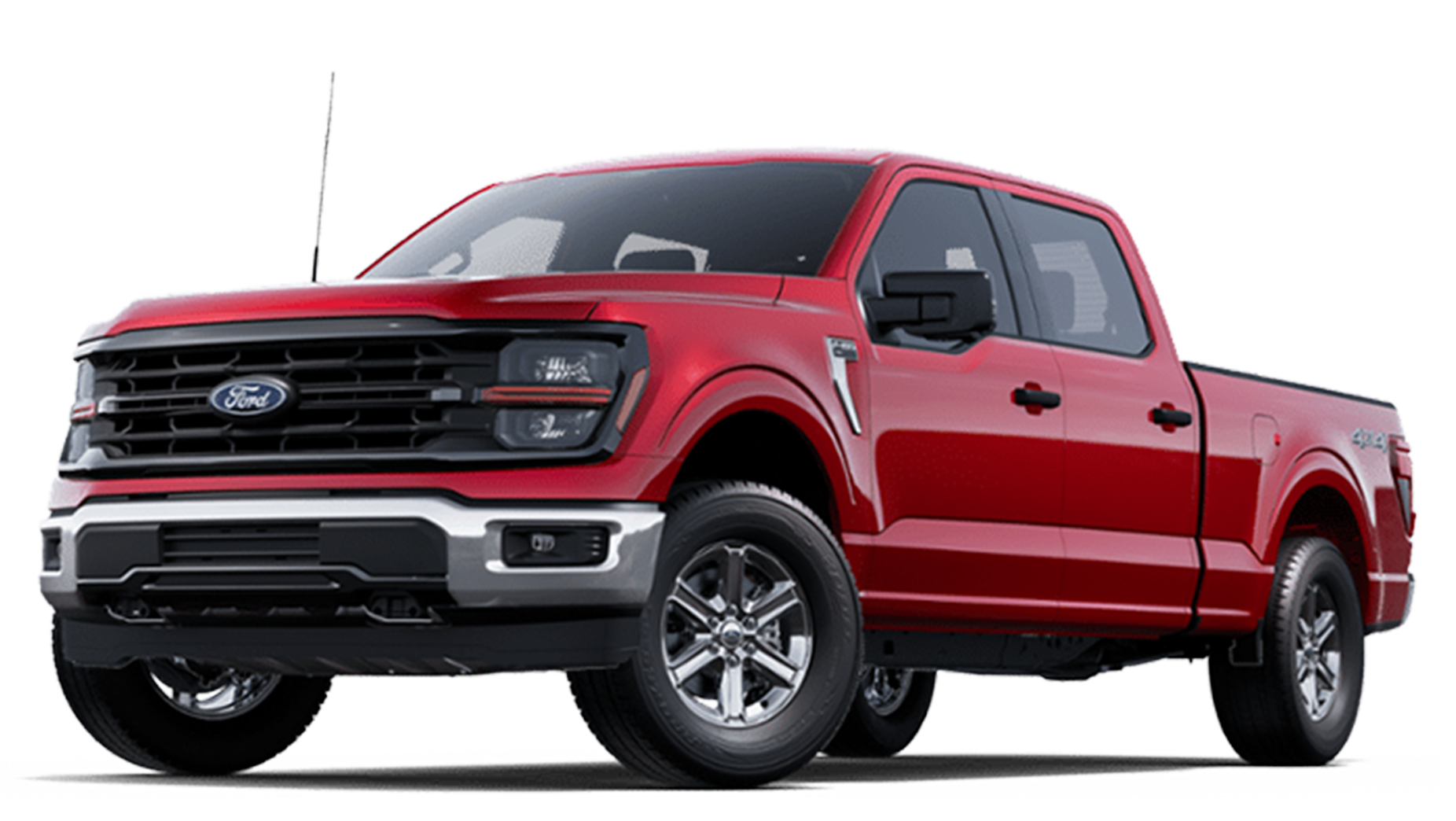 Ford F-150 Lightning — The Most Familiar Electric Truck for NJ Buyers
For many truck owners, the Ford F-150 Lightning is the easiest place to start.
It looks like an F-150. It feels like an F-150. It works like an F-150. The difference is what's happening underneath.
The Lightning offers up to 320 miles of range in Extended Range configurations, towing capability up to 10,000 pounds, and enough payload capacity for contractors, homeowners, and families alike.
What truly separates the Lightning from competitors is Pro Power Onboard. With up to 9.6 kW of exportable power, the truck essentially becomes a mobile generator. For contractors working throughout Bergen, Essex, and Hudson Counties, that can eliminate a surprising number of job-site headaches.
Need to power tools? Charge batteries? Run equipment? The Lightning handles it.
For Shore drivers towing boats or trailers, most weekend trips remain comfortably within the truck's capability.
From a maintenance standpoint, Ford recommends following an EV maintenance schedule that includes tire rotation every 5,000–7,500 miles. NJ pothole season tends to accelerate truck tire alignment issues, making annual alignment inspections a smart investment.
Visit a Ford dealer in NJ
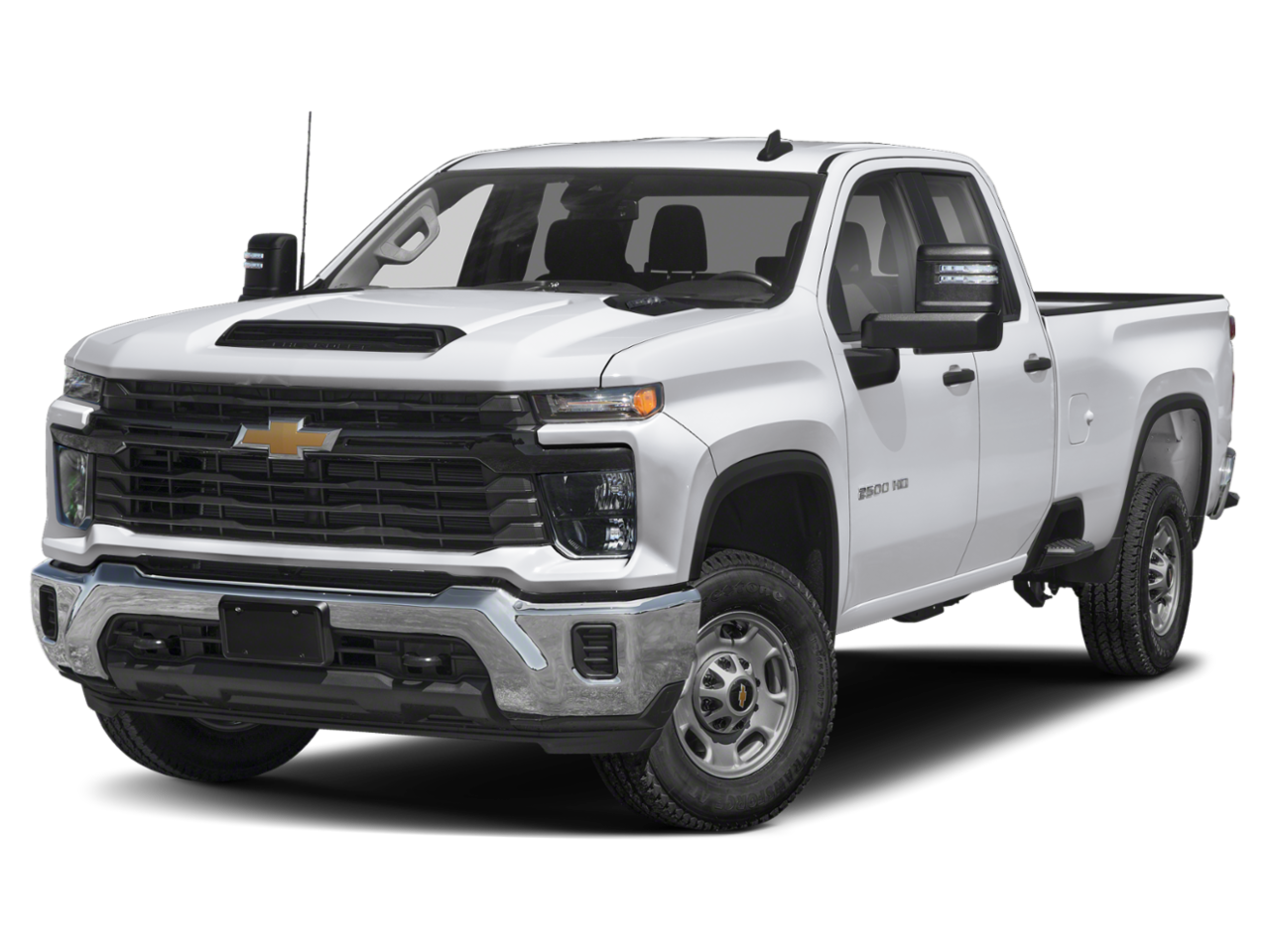 Chevy Silverado EV — Best Range in the Electric Truck Segment
If range is your biggest concern, the Chevy Silverado EV immediately enters the conversation.
With up to 450 miles of estimated range on certain Work Truck trims, it currently offers some of the longest range available among electric pickups. For NJ drivers, that matters a ton!
A truck capable of covering significant mileage between charges changes how ownership feels. Suddenly, longer Turnpike drives, Pennsylvania job sites, or weekend towing trips become much easier to plan.
The Silverado EV also brings serious capability, with towing ratings reaching up to 20,000 pounds on select configurations.
The Multi-Flex Midgate adds flexibility as well, allowing longer cargo to extend into the cabin when needed. Contractors transporting materials or families carrying oversized gear will appreciate the versatility.
Because of the vehicle's weight, Chevrolet recommends tire rotation approximately every 7,500 miles. Like other EVs, staying ahead of truck tire alignment inspections becomes increasingly important on New Jersey roads.
For buyers prioritizing maximum range and maximum towing, the Silverado EV makes a strong argument.
Visit a Chevy dealer in NJ
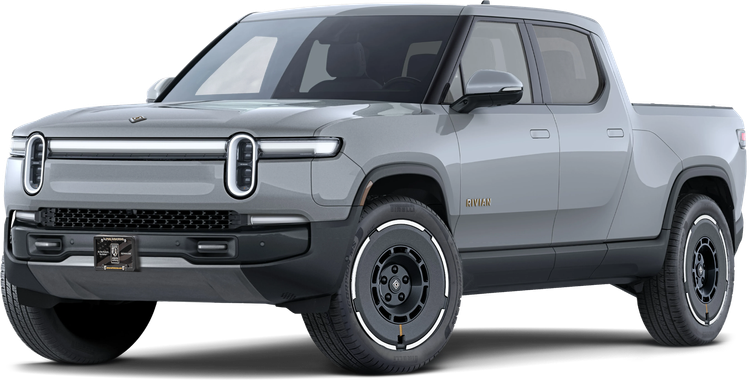 Rivian R1T — Best Electric Truck for Adventure and Versatility
The Rivian R1T appeals to a different type of truck owner.
While the Lightning and Silverado often attract traditional truck buyers, the R1T attracts drivers who want versatility.
Its available 410-mile range, 11,000-pound towing capacity, and innovative storage solutions create a truck equally comfortable commuting through Morris County during the week and exploring the Poconos on the weekend.
The Gear Tunnel remains one of Rivian's most unique features, providing secure storage that doesn't sacrifice bed space. For North Jersey drivers who spend time hiking, camping, skiing, or exploring outdoor destinations, the R1T feels purpose-built.
Rivian recommends how often tire rotation? Approximately every 6,250 miles, slightly more frequently than several competitors. NJ drivers should also consider service accessibility, as Rivian's service network remains smaller than Ford's or Chevrolet's.
Still, for buyers prioritizing adventure and innovation, the R1T continues standing apart.
Ram 1500 REV — The Challenger Worth Watching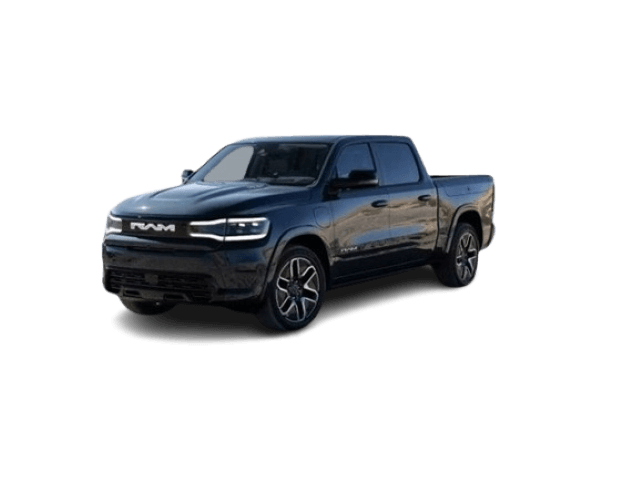
The Ram 1500 REV is attracting significant attention among truck buyers who aren't quite ready to leave Ram behind.
Expected to offer impressive towing capability, payload ratings reaching approximately 2,700 pounds, and available extended-range options approaching 500 miles, the REV positions itself as a serious competitor.
The upcoming RamCharger variant may prove especially interesting for NJ buyers. By incorporating an onboard generator, it offers a unique approach to eliminating range anxiety while maintaining electric driving characteristics.
Contractors who regularly travel to rural job sites throughout South Jersey may find that combination particularly appealing.
Routine maintenance remains relatively simple. Like other EVs, the REV eliminates oil changes and many traditional service items while still requiring tire rotations, brake fluid inspections, and annual alignment checks.
Visit a Ram dealer in NJ
Electric Truck Comparison — Key Specs at a Glance
| Model | Starting Price | Est. Range | Max Towing | Max Payload | Best For |
|---|---|---|---|---|---|
| Ford F-150 Lightning | ~$49,995 | 320 miles | 10,000 lbs | 2,235 lbs | Familiar capability and work-site power |
| Chevy Silverado EV | ~$45,995 | 450 miles | 20,000 lbs | 1,300 lbs | Maximum range and towing |
| Rivian R1T | ~$69,900 | 410 miles | 11,000 lbs | 1,760 lbs | Adventure versatility |
| Ram 1500 REV | ~$58,995 | 350–500 miles | 14,000 lbs | 2,700 lbs | High payload and range flexibility |
Specs are approximate and vary by trim level. Verify current pricing and availability before purchasing.
How Often Do Electric Trucks Need Maintenance — and What NJ Roads Do to That Schedule
One of the biggest surprises for first-time EV owners is how little maintenance electric trucks actually require.
There are no oil changes. No spark plugs. No transmission fluid services. No exhaust systems. Many of the routine maintenance items truck owners have budgeted for over the years simply disappear. That doesn't mean however that maintenance goes away entirely. It just shifts toward different priorities.
For most electric truck owners, tires, alignment, brake fluid, and software updates become the primary focus. And in New Jersey, road conditions tend to make some of those services more important than manufacturer schedules alone might suggest.
Anyone who has driven Route 23 after winter, bounced through potholes on Route 46, or wondered whether that impact they just felt came from road construction or a sinkhole understands why alignment matters here.
Electric trucks are also heavier than comparable gas-powered trucks because of their battery packs. Depending on the model, that additional weight can add anywhere from 1,000 to 1,800 pounds. The result is increased tire wear, especially if rotations are delayed or alignment issues go unnoticed.
What Electric Trucks Eliminate
Compared to traditional trucks, electric trucks remove several routine maintenance items:
- No engine oil changes
- No transmission fluid service
- No spark plugs
- No timing belts
- No exhaust system repairs
- Less brake wear thanks to regenerative braking
That last point is especially important. Regenerative braking helps slow the vehicle while recapturing energy, meaning traditional brake pads are used less frequently. Many EV owners report significantly longer brake life than they experienced with gas-powered trucks.
What Electric Trucks Still Need
While maintenance requirements are reduced, they are not eliminated.
Tire Rotation
If you've ever wondered how often tire rotation is required on an electric truck, the answer depends on the model, but generally falls between 5,000 and 7,500 miles.
Because electric trucks are heavier and deliver instant torque, staying on schedule becomes more important than many owners expect.
Wheel Alignment
Truck tire alignment is one area where New Jersey drivers should be proactive.
Most manufacturers don't require annual alignments, but NJ road conditions create a strong case for them anyway. Freeze-thaw cycles, construction zones, potholes, and rough pavement can gradually knock alignment out of specification long before a driver notices uneven tire wear.
Annual alignment inspections are a smart preventative measure regardless of mileage.
Brake Fluid
Brake fluid still absorbs moisture over time, even in an EV. Most manufacturers recommend replacement approximately every two years.
Cabin Air Filter
Cabin filters typically require replacement every 15,000–25,000 miles depending on driving conditions. Considering the amount of construction, pollen, and seasonal debris NJ drivers encounter, many owners find themselves closer to the lower end of that range.
Software Updates
Modern electric trucks receive many updates over the air, but occasional dealer visits may still be recommended for larger system updates and inspections.
Model-by-Model Maintenance Interval Reference
|
Model |
Tire Rotation |
Alignment Check |
Brake Fluid |
Cabin Air Filter |
|
Ford F-150 Lightning |
Every 5,000–7,500 miles |
Annually recommended in NJ |
Every 2 years |
Every 15,000–20,000 miles |
|
Chevy Silverado EV |
Every 7,500 miles |
Annually recommended in NJ |
Every 2 years |
Every 15,000–25,000 miles |
|
Rivian R1T |
Every 6,250 miles |
Annually recommended in NJ |
Every 2 years |
Every 15,000 miles |
|
Ram 1500 REV |
Every 7,500 miles |
Annually recommended in NJ |
Every 2 years |
Every 15,000–20,000 miles |
Standard manufacturer recommendations should be viewed as minimums. Given New Jersey's road conditions, annual alignment inspections are advisable for nearly every truck owner.
Charging an Electric Truck in New Jersey — What You Need to Know
The biggest question many truck buyers still ask is surprisingly simple: "Can I actually live with one of these?" For most NJ drivers, the answer is yes. Home charging remains the easiest solution. A Level 2 charger can add roughly 25–30 miles of range per hour, meaning most owners wake up each morning with a fully charged truck.
Public charging continues expanding throughout the state as well. Fast chargers are now available along major Turnpike corridors, several Parkway service areas, and throughout North and Central Jersey.
Ford owners currently enjoy one of the strongest charging advantages thanks to expanding Tesla Supercharger access. Rivian owners benefit from both the Rivian Adventure Network and growing NACS compatibility. Silverado EV and Ram REV owners can utilize the broad CCS charging network already established throughout New Jersey.
For most daily driving, however, charging happens at home. The experience feels much closer to charging a phone overnight than visiting a gas station.
Shop Electric Pickup Trucks at Nielsen Auto Group in New Jersey
Electric truck shopping is no longer limited to early adopters. Today, buyers are comparing towing capability, payload, charging convenience, maintenance requirements, and long-term ownership costs with the same seriousness they've always applied to truck shopping.
That's where Nielsen Auto Group helps simplify the process. With locations throughout New Jersey, Nielsen offers access to multiple truck brands, knowledgeable EV specialists, and service departments equipped to support modern electric vehicles. Whether you're evaluating a Ford F-150 Lightning, comparing a Silverado EV against a Ram REV, or simply trying to understand which truck best fits your lifestyle, having access to multiple perspectives can make the process much easier.
Nielsen teams can also help buyers navigate available federal tax credits, discuss current New Jersey EV incentives, and explain the practical realities of charging, towing, and ownership.
Most importantly, they can help answer the question every truck buyer eventually asks: "Which one actually fits how I drive?"
Frequently Asked Questions
What is the best electric pickup truck for NJ drivers?
The Ford F-150 Lightning remains the most practical starting point for many NJ buyers thanks to its familiar design, strong towing capability, and contractor-friendly Pro Power Onboard system. Buyers prioritizing maximum range may prefer the Chevy Silverado EV, while adventure-focused drivers often gravitate toward the Rivian R1T.
How often do electric trucks need tire rotation?
Most electric trucks require tire rotation every 5,000–7,500 miles. Because electric trucks are heavier than comparable gas-powered trucks, tire wear occurs more quickly and consistent rotations become especially important.
Do electric trucks need wheel alignment?
Yes. In New Jersey, annual alignment inspections are highly recommended regardless of mileage. Potholes, freeze-thaw damage, and rough pavement can gradually knock alignment out of specification and accelerate tire wear.
Can an electric truck tow in New Jersey?
Absolutely. The Chevy Silverado EV can tow up to 20,000 pounds on select trims, while the Ram REV, Rivian R1T, and Ford F-150 Lightning all offer substantial towing capability. Owners should remember that towing reduces range and plan charging stops accordingly.
Where can I buy an electric pickup truck in New Jersey?
Nielsen Auto Group offers access to multiple truck brands across several New Jersey locations. Buyers can explore inventory, discuss available incentives, compare models, and schedule test drives with knowledgeable staff.
Nielsen Editorial is a division of Nielsen Automotive Group. All content is for editorial purposes only. Any reference to pricing, vehicle features, availability, programs, specials, etc., are for editorial purposes only and are non-binding. Dealerships (Nielsen and others) are not bound by or obligated to any claims, monetary or otherwise, within these articles. Articles are for reference purposes only. For specific questions about new cars in New Jersey, used cars in New Jersey, or other automotive, vehicle, or financial-related questions, contact the Nielsen Automotive Group directly.
