
You've done it. It's 11 p.m., you're not tired enough to sleep but too tired to do anything productive, and you've typed "what's my 2020 Chevy Equinox worth" into Google for the third time this week. KBB says one number. That number feels lower than you expected for a car that's only got 74,000 miles on it, most of them from a pretty reasonable commute down the Parkway. So now you're wondering if the site is lowballing you, if your car is worth less than you thought, or if you just don't understand how any of this works.
Or maybe it's the other version of that same night: your F-150 just made it through its third New Jersey winter, salt and all, plus a steady rotation of Turnpike runs for work. You're starting to wonder if it quietly crossed some value line you didn't see coming. Or you got a KBB number and a CarMax number for the same Honda CR-V, and they're $1,400 apart with no explanation in sight. Or your Kia Telluride still runs great, but something in your gut says now is a smarter time to trade it than waiting another 10,000 miles.
None of that is random. Trade-in value follows a pretty consistent logic once you know what a dealer is actually looking at. This guide breaks down car trade-in value in NJ dealers actually offer, and exactly how is trade-in value calculated, before you ever sit down at the table.
Key Takeaways
- Trade-in value isn't a random number. It's calculated using your vehicle's year, make, model, mileage, condition, accident history, and current market demand.
- The number a dealer offers is almost always lower than private-sale value, because the dealer takes on reconditioning costs, storage risk, and the responsibility of reselling the vehicle.
- NJ-specific factors matter: road salt corrosion, high-mileage commuter patterns, and seasonal demand all affect what your car is worth at any given moment in New Jersey's used car market.
- Online tools like KBB and Edmunds give a reasonable starting range, but the actual appraisal happens in person when a trained eye looks at the real condition of the vehicle.
- There are specific things you can do before trading that meaningfully improve the offer, and specific things that almost never move the number.
- Nielsen Auto Group appraises trade-ins across multiple NJ locations, transparently, with no obligation to purchase.
What Is Trade-In Value — and How Is It Different From Market Value?
Trade-in value is what a dealership will pay for your current vehicle when you apply it toward another purchase, and it's almost always lower than what that same car would fetch in a private sale. That gap makes a lot more sense once you look at it from the dealer's side of the desk.
A car can carry three different price tags depending on who's buying it and how.
Private party value is what you'd get selling it yourself. A 2021 Toyota Highlander in excellent condition with 45,000 miles might command around $32,000 from a private buyer, but that seller is also the one fielding calls at odd hours, scheduling test drives with strangers, handling the title paperwork, and selling as-is with no warranty attached.
Trade-in value is where that same Highlander lands with a dealer, likely somewhere around $28,000–$29,000. That number bakes in reconditioning (detailing, inspection, any needed repairs), the carrying cost of the vehicle sitting on the lot, and the risk the dealer takes on reselling it.
Retail value is what the dealer eventually lists it for once it's been reconditioned and certified, maybe $33,500. That $4,500–$5,500 spread over trade-in isn't pure profit sitting in someone's pocket. It's what funds everything that happens between the appraisal and the sale.
The math shifts a little depending on the vehicle, whether it's a Hyundai Tucson, a Ford Explorer, or a Ram 1500, but the logic behind the spread stays the same across the board.
How Do Dealerships Calculate Trade-In Value?
So how do dealerships determine trade-in value? It comes down to a fairly consistent list: year, make, model, trim, mileage, mechanical condition, cosmetic condition, accident history, and current regional demand, all cross-referenced against auction data, wholesale guides, and what similar vehicles are actually selling for in NJ right now.
The Factors That Go Into Every Trade-In Appraisal
|
Factor |
How It Affects Value |
NJ-Specific Note |
|
Year, Make, Model, Trim |
Foundational — some vehicles hold value far better than others; trim level matters a lot (an F-150 XLT and an F-150 King Ranch aren't appraised the same way) |
Trucks, 3-row SUVs, and AWD vehicles tend to hold value well in NJ thanks to steady year-round demand |
|
Mileage |
Value tends to drop at points around 30K, 60K, and 100K — a Civic at 99,000 miles and one at 101,000 miles land in noticeably different brackets |
NJ commuters often hit 18,000–22,000 miles a year, so above-average mileage is common and expected here |
|
Mechanical Condition |
Known issues get priced in — a Kia Telluride with a transmission concern is worth meaningfully less than one with a clean service history |
Anything that would fail NJ inspection (brakes, tires, emissions) gets priced in aggressively, since the dealer absorbs those repair costs |
|
Cosmetic Condition |
Dents, scratches, cracked bumpers, and worn interiors all factor in — a Camry with a clean interior appraises better than the same car with a stained headliner and cracked dash |
Parking lot dings and door dents are practically a rite of passage in NJ, so moderate cosmetic wear is largely expected and priced as a group |
|
Accident History |
A Carfax runs on every vehicle — even a minor reported accident on a Honda CR-V pulls the number down, and a clean report is a real asset |
Frame damage is the single biggest value hit, often dropping an otherwise-clean vehicle by 20–30% |
|
Service History |
Documented oil changes and maintenance build appraiser confidence |
Records from Nielsen or other NJ dealers add credibility, while random receipts from unnamed shops carry less weight |
|
Regional Market Demand |
A Ram 1500 or Chevy Silverado in high regional demand gets a stronger offer than the same truck sitting in a slow market |
AWD and 4WD vehicles — Jeep Grand Cherokee, Subaru Outback, Ford Explorer — see stronger demand heading into winter |
|
Current Dealer Inventory |
A dealer overstocked on Toyota RAV4s will offer less for another one than a dealer with none on the lot |
Nielsen's multi-brand inventory means demand shifts by location, model, and time of year |
What Online Trade-In Tools Actually Tell You — and What They Don't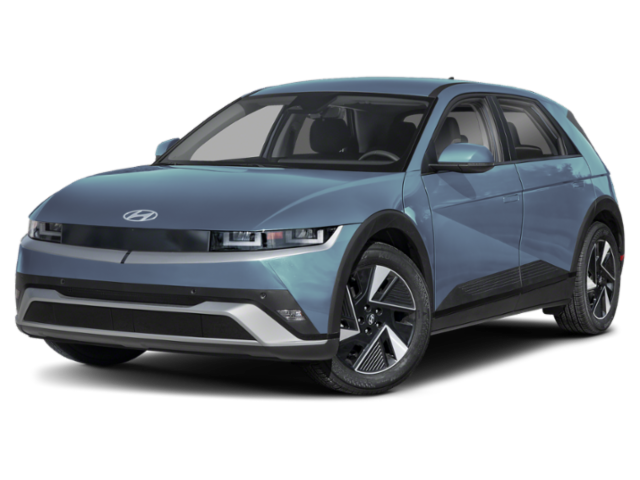
Tools like KBB and Edmunds give you a useful range, but the gap between that estimate and the actual dealer offer almost always comes down to condition, and condition is something an algorithm has no way of seeing.
Take a 2022 Hyundai Ioniq 5 with 28,000 miles in genuinely excellent shape: clean Carfax, original owner, all keys present, service records on file. That car will likely land near the top of KBB's trade-in range. Now picture that same Ioniq 5 with a cracked front bumper cover, a minor Carfax incident, and only three of four keys. The number comes in noticeably lower, not because the tool was wrong, but because it assumed "good" condition and the appraiser is looking at what's actually there.
Most people rate their own vehicle's condition a little higher than a trained appraiser would, and that gap is the most common reason an online estimate and an in-person offer don't match up. Use KBB and Edmunds to set a floor and a ceiling before you go in, not to lock in an exact number.
What Affects Trade-In Value — and What Almost Never Moves the Number
If you're trying to figure out what affects trade-in value the most, some factors genuinely swing the number, and others feel important but barely register.
What genuinely reduces trade-in value:
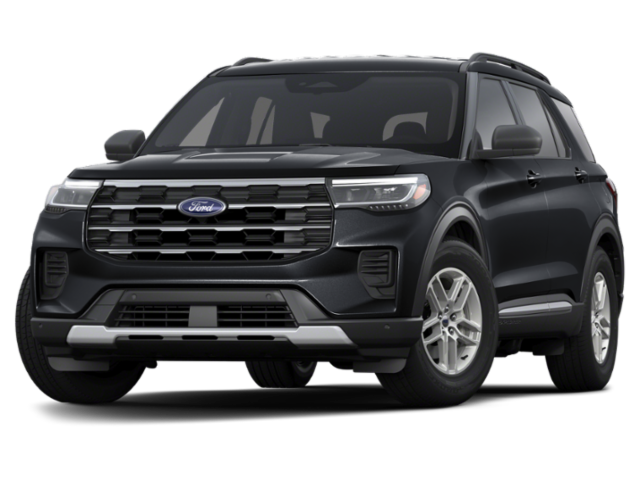
- Accident history on the Carfax. A 2021 Ford Explorer with two reported accidents is worth meaningfully less than a clean-report Explorer, even if both look identical in person.
-
High mileage above key thresholds. A Chevy Equinox at 103,000 miles sits in a different bracket than one at 97,000 — the 100K line is real and it matters across most segments.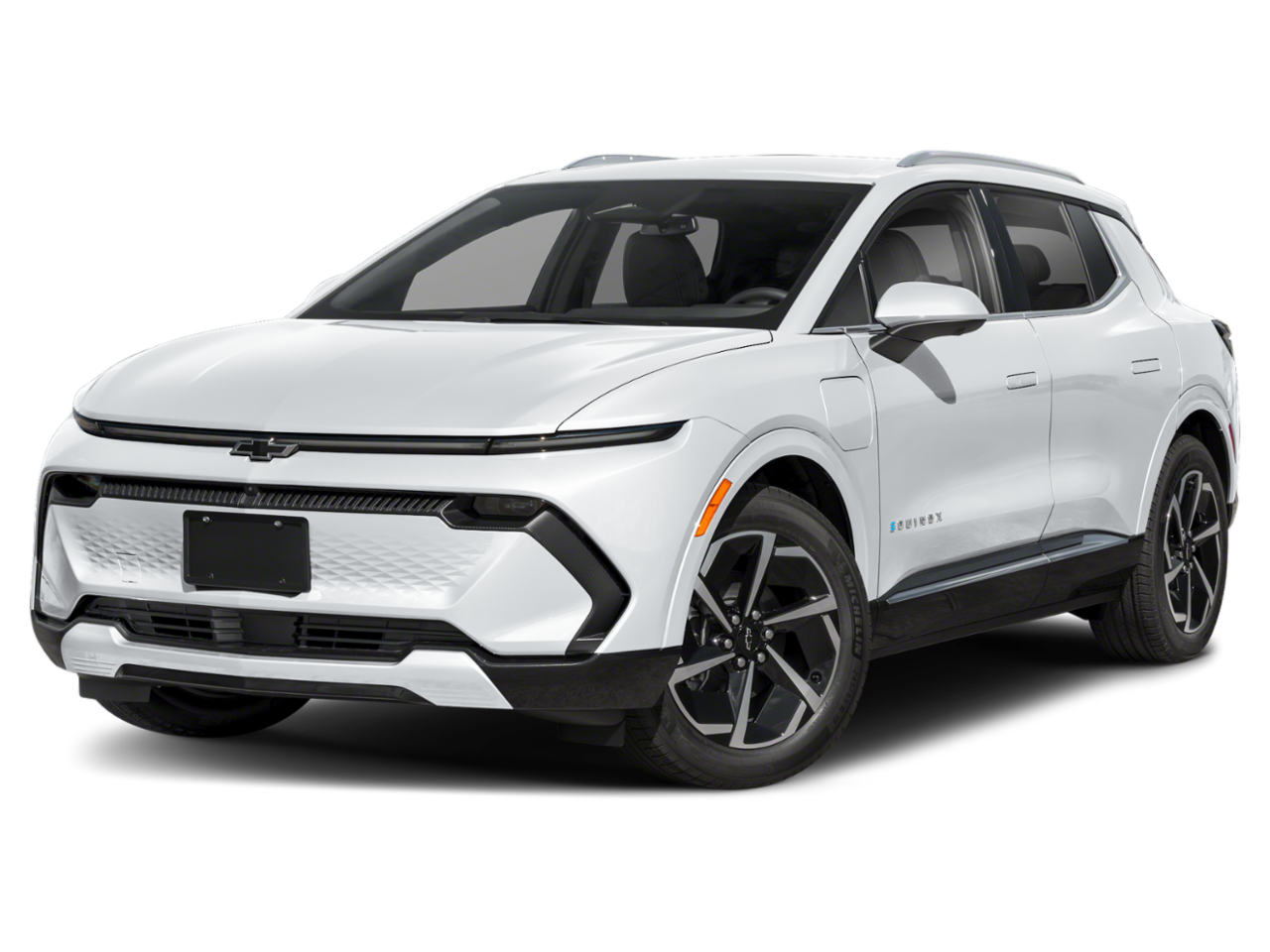
-
Deferred maintenance. A Nissan Rogue with no service records, worn brake pads, and tires down to 3/32 gets discounted hard, because the dealer is pricing in every cost they'll have to absorb before it's resold.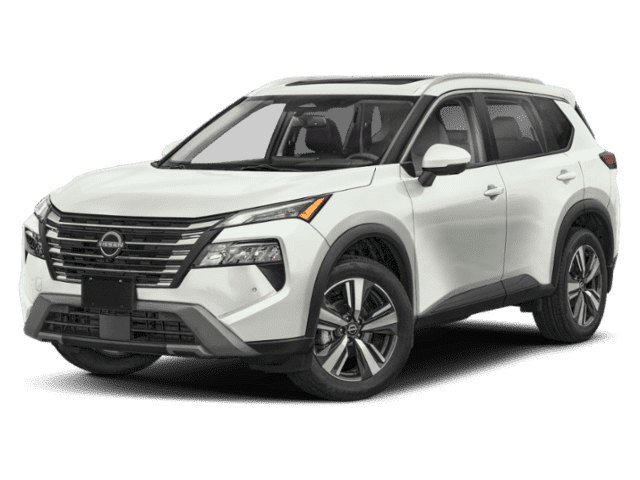
-
NJ road salt rust. Undercarriage corrosion on a Ram 1500 that's spent five winters in Sussex County is one of the most New Jersey-specific value killers out there, visible rust on frame components drags the offer down fast.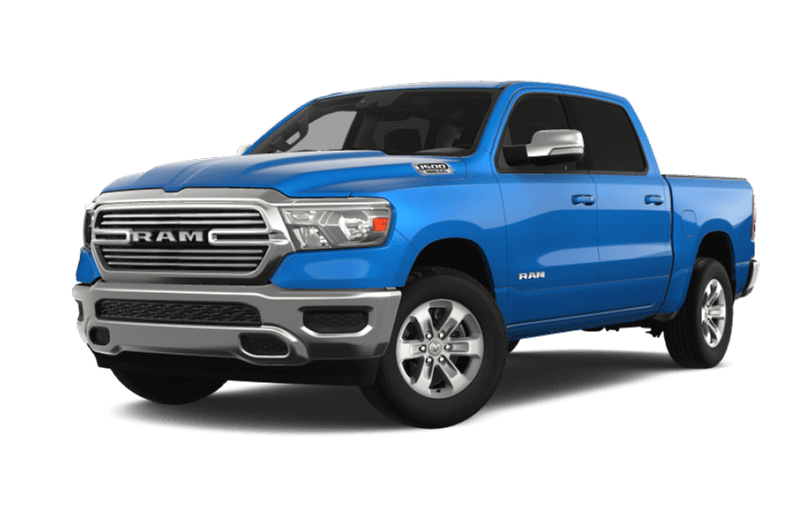
-
Non-OEM modifications. A lift kit on a Jeep Wrangler, aftermarket wheels on a Kia Stinger, or a custom audio setup in a Hyundai Sonata rarely add value and often reduce it, because not every buyer wants what you added.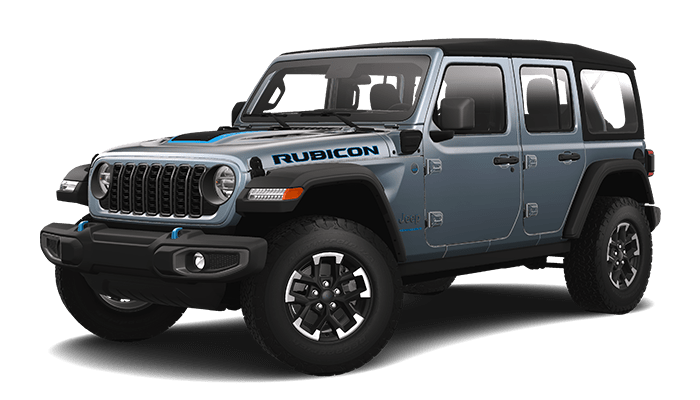
-
Salvage or rebuilt titles. A Toyota Camry with a salvage title trades at a fraction of its clean-title counterpart, and plenty of dealers won't take one at all.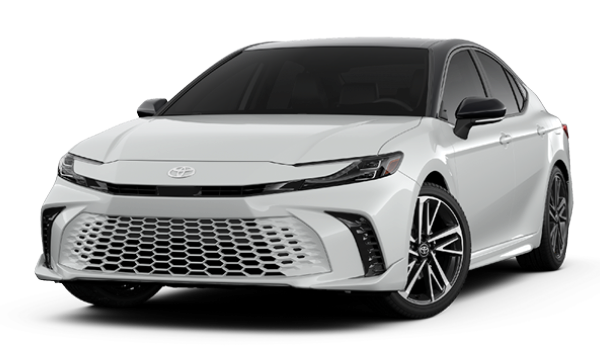
What rarely moves the number:
- A fresh wash and interior detail, the appraiser sees past the shine.
- New floor mats or a cabin air filter installed the day before.
- A recent oil change with no documentation to back it up.
- Air fresheners. (Not a joke. People genuinely try this.)
What can meaningfully help:
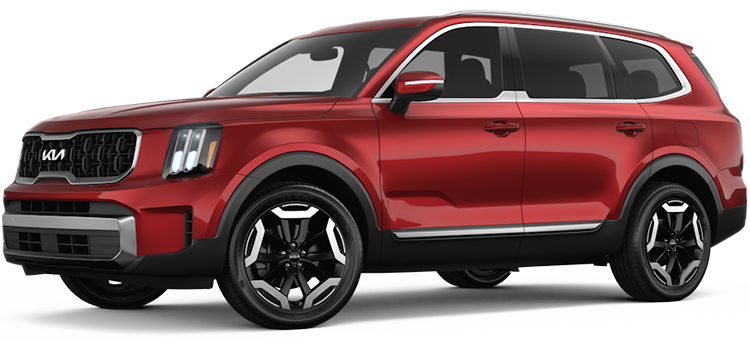
- All four keys and fobs present; a missing fob on a 2023 Kia Telluride costs real money to replace and it gets priced accordingly.
- A clean Carfax with no reported accidents.
- Complete, documented service history from recognizable providers.
- Mileage below average for the model year.
- Trading before you hit the next major mileage threshold.
Does Timing Your Trade-In Matter in New Jersey?
Ask around about the best time to trade-in a car for top dollar in NJ and you'll get a dozen different opinions, but the seasonal and regional patterns in NJ's used car demand actually back a few of them up.
AWD SUVs and trucks do best before winter. Trade-in offers on vehicles like the Ford Explorer, Hyundai Tucson, Chevy Colorado, and Kia Sportage tend to peak in late fall, when dealers want that AWD inventory sitting on the lot before NJ buyers start shopping for winter confidence. A Subaru Forester traded in October typically brings a better offer than the same Forester traded in March.
Convertibles and sports cars do best in spring. A used Mustang GT or Chevy Camaro trades stronger in April than in November, because dealers know buyers are coming and price the offer to get one on the lot.
High-mileage commuters are worth trading before the threshold, not after. An Accord at 58,000 miles trades better than the same Accord at 102,000 miles, even when the actual difference in wear is small. The threshold matters to buyers, and that filters straight down to appraisers.
Broader market conditions matter too. Used vehicle values move with inventory and the economy — the inflated trade-in numbers from 2021–2022, back when new car inventory was scarce, have settled back down. Check a current KBB range before assuming the market's in your favor either way.
The NJ sales tax benefit is the part most buyers miss entirely. In New Jersey, your trade-in value gets subtracted from the purchase price of the new vehicle before sales tax is calculated. On a $12,000 trade-in applied toward a new Hyundai Tucson or Kia Sportage, that saves roughly $795 in NJ state sales tax at the current 6.625% rate. That savings doesn't exist in a private sale, and it closes a real chunk of the gap between trade-in and private-party value for a lot of NJ buyers.
How to Get the Most From Your Trade-In at a NJ Dealership
The short version: show up with a vehicle the appraiser can evaluate with confidence, at a point in the year when demand is working in your favor.
- Gather your paperwork first. Title (if it's paid off), all keys and fobs, service records, and the owner's manual. For something more complex, like an F-150 with Pro Power Onboard or a Ram 1500 loaded with accessory packages, having the original materials on hand actually matters.
- Know your exact payoff. If you still owe on a Hyundai Palisade or Kia Telluride, call your lender and get the precise number before the appraisal. That's what tells you whether you're walking in with equity or negative equity.
- Get more than one number. Nielsen's trade-in appraisal is free and comes with no obligation, so use it alongside a KBB Instant Cash Offer or a CarMax quote to get a real sense of your range.
- Be straight about conditions. Calling a Chevy Silverado with a cracked bed liner and 94,000 miles "excellent" doesn't hold up under appraisal. An honest self-assessment gets you a realistic number and a smoother conversation.
- Handle the small stuff first. Fixing a blown turn signal on a RAV4 or a known minor issue costs less than the discount an appraiser applies when they can't rule out something worse. Dealers price uncertainty aggressively, so give them less of it to work with.
Get a trade-in estimate at Nielsen Auto Group in NJ.
Shop Your Next Vehicle at Nielsen Auto Group in NJ
Once you understand how trade-in value is calculated and know what your current vehicle is worth, the next question is usually what replaces it.
Drivers trading in a Ford Explorer often end up cross-shopping a Hyundai Palisade, Kia Telluride, or Chevrolet Traverse, and Nielsen carries all three. If you're moving out of a high-mileage Nissan Rogue or Honda CR-V, a new Hyundai Tucson, Kia Sportage, or Chevy Equinox might be next, and the multi-brand lineup covers that transition without sending you across three different dealer groups. Truck owners retiring an aging Ram 1500 or older F-150 have a full range of new F-150, Chevy Silverado, Ram, and Ranger options to look at across Nielsen's NJ locations.
And because of that NJ sales tax benefit covered above, applying your trade-in toward a purchase at a Nielsen dealership is often the financially smarter move compared with taking a separate cash offer and buying somewhere unrelated.
Nielsen's team can walk you through the full math, trade-in value, tax savings, financing, all of it, so you're not doing the calculation alone in a parking lot. Free, no-obligation trade-in appraisals are available at Nielsen locations across NJ, along with a wide selection of new and certified pre-owned inventory once you're ready to move into the next vehicle.
Stop by a Nielsen dealership in NJ or browse inventory to get your trade-in value and see what's next.
Frequently Asked Questions — Trade-In Value in NJ
A few things almost everyone asks once they've read this far. Think of this as the part of the conversation that happens after the coffee's poured and you're just talking it through.
How is trade-in value calculated?
Honestly, it's not as mysterious as it feels. A dealer is looking at your vehicle's year, make, model, and trim, then layering in mileage, mechanical and cosmetic condition, accident history, and what similar vehicles are actually selling for around NJ right now. Run all of that against wholesale guides and current auction data, and that's your number.
Why is the dealer's offer lower than KBB?
Because most of us are a little generous when we're grading our own car. That's not a knock, it's just human nature. An online tool takes your word for it on condition, but an appraiser is standing there looking at the cracked bumper, counting the key fobs, and pulling the Carfax. The offer also has to cover reconditioning and carrying costs that a private sale never has to deal with.
Does trading in a car save money on taxes in NJ?
It really does, and it's the part most people have no idea about. New Jersey subtracts your trade-in value from the new car's price before sales tax gets calculated. Trade in a car worth $12,000 toward a new Hyundai Tucson or Kia Sportage, and you're keeping roughly $795 in your pocket instead of handing it to the state. Sell that same car privately, and you don't get a dime of that back.
What hurts trade-in value the most in NJ?
An accident on the Carfax is the big one, followed by mileage that's crossed a threshold like 100K. After that, it's the stuff New Jersey does to a car: rust and undercarriage corrosion from a few winters of road salt, plus deferred maintenance and missing keys or fobs. Any one of those can knock a real number off your offer.
When is the best time to trade in my car in NJ?
Depends what you're driving. AWD stuff, an Explorer, a Tucson, a Ram 1500, sell best in late fall, right before everyone starts thinking about winter. Convertibles and sports cars have their moment in spring instead. And no matter what you drive, trading before you hit the next big mileage marker (60K, 100K) is almost always worth more than waiting it out.
Where can I get a trade-in appraisal in NJ?
Right at any Nielsen location. It's free, there's no obligation to buy anything, and it covers pretty much every brand we carry, Ford, Chevrolet, Hyundai, Kia, Nissan, Ram, and more. Just bring the car, the title, every key you've got, and whatever service records you've held onto, and you'll walk away with a real number.
Nielsen Editorial is a division of Nielsen Automotive Group. All content is for editorial purposes only. Any reference to pricing, vehicle features, availability, programs, specials, etc., are for editorial purposes only and are non-binding. Dealerships (Nielsen and others) are not bound by or obligated to any claims, monetary or otherwise, within these articles. Articles are for reference purposes only. For specific questions about new cars in New Jersey, used cars in New Jersey, or other automotive, vehicle, or financial-related questions, contact the Nielsen Automotive Group directly.
